
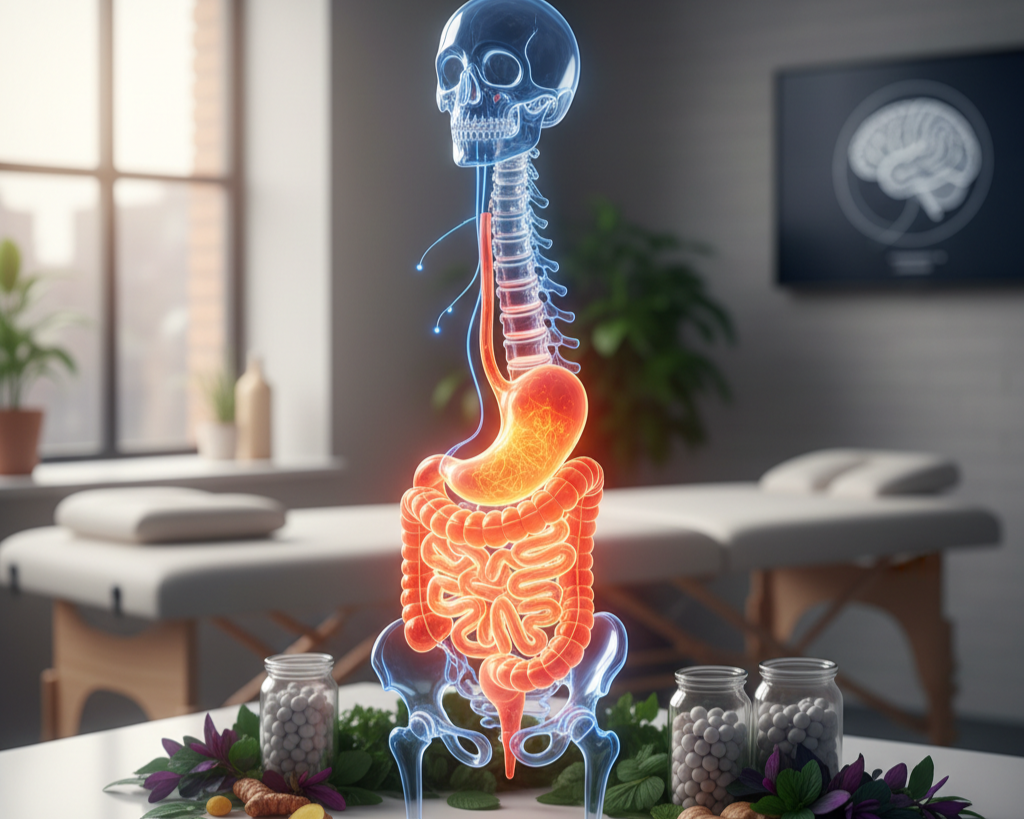
You have tried massage therapy, changed your sleeping position, adjusted your workstation ergonomics, and yet the persistent ache in your neck or lower back continues. What many patients do not realize is that the source of their musculoskeletal discomfort may not be purely structural. Research increasingly points to a powerful connection between gut health and back pain, one that involves the nervous system, systemic inflammation, and the often-overlooked relationship between digestion and spinal function.
Dr. Larry Burks of The Upper Cervical Clinic notes that patients with chronic neck pain, migraines, or lower back discomfort frequently report overlapping digestive symptoms.. Bloating, irregular bowel movements, food sensitivities, and stomach discomfort often show up alongside musculoskeletal complaints. This is not coincidence. It is physiology. The nervous system that regulates your gut is the same system influenced by the alignment of your upper cervical spine.
Why Your Gut and Your Spine Are More Connected Than You Think
The human body operates as an interconnected system, not a collection of isolated parts. When inflammation exists in one area, particularly within the digestive tract, it does not remain localized. Inflammatory markers circulate through the bloodstream, affecting tissues throughout the body, including muscles, joints, and the connective structures surrounding the spine.
Chronic low-grade inflammation in the gut, often referred to as intestinal permeability or leaky gut syndrome, allows undigested food particles and bacterial byproducts to enter the bloodstream. The immune system responds by releasing cytokines, chemical messengers that trigger widespread inflammation. This systemic response can heighten pain sensitivity, increase muscle tension, and amplify the body's perception of discomfort in the neck, shoulders, and back.
According to research published by the American Chiropractic Association, patients with chronic spinal pain conditions often exhibit elevated levels of inflammatory markers compared to those without pain. While this does not suggest that inflammation is the sole cause of every pain condition, it does indicate that addressing inflammation and spinal pain as interconnected issues, rather than separate problems, may lead to more effective outcomes.
How Chronic Inflammation in the Digestive System Amplifies Pain Signals Throughout the Body
Inflammation does more than damage tissue. It changes the way your nervous system processes pain. When inflammatory chemicals are present in the body, they sensitize nerve endings, making them more reactive to stimuli that would not normally be painful. This phenomenon, known as central sensitization, means that a minor muscle strain or postural stress can feel far more intense than it otherwise would.
For patients already dealing with neck pain or lower back discomfort, the presence of digestive inflammation can turn manageable discomfort into a debilitating condition. The body's pain threshold drops. Muscles that are already tense due to spinal misalignment become even more reactive. Recovery from exertion takes longer. Sleep becomes less restorative because the nervous system remains in a heightened state of alert.
This connection between inflammation and spinal pain is particularly relevant for conditions such as fibromyalgia, chronic fatigue syndrome, and widespread musculoskeletal pain. These conditions often involve both digestive disturbances and nervous system dysregulation, pointing to a shared underlying mechanism rather than separate, unrelated diagnoses.
The Role of the Vagus Nerve in Linking Spinal Alignment, Gut Function, and Nervous System Health
The vagus nerve is the longest cranial nerve in the body, extending from the brainstem down through the neck and into the chest and abdomen. It serves as the primary communication pathway between the brain and the digestive system, regulating everything from stomach acid production to gut motility to immune responses within the intestinal lining.
What makes the vagus nerve particularly relevant to upper cervical care is its anatomical proximity to the atlas and axis vertebrae, the C1 and C2 bones at the top of the spine. These vertebrae surround the brainstem, the region where the vagus nerve originates. When the upper cervical spine is misaligned, even by a small degree, it can create pressure or irritation that disrupts vagal tone, the measure of how well the vagus nerve is functioning.
Poor vagal tone has been associated with digestive dysfunction, increased inflammation, and reduced ability to regulate the parasympathetic nervous system, the branch responsible for rest, digestion, and recovery. Patients with upper cervical misalignment may experience not only neck pain and headaches but also bloating, constipation, acid reflux, and difficulty managing stress. These are not separate problems. They are symptoms of a nervous system that is not communicating efficiently.
Dr. Burks uses precise, non-invasive techniques such as NUCCA and KCUCS to restore alignment in the upper cervical spine. Many patients report that as their spinal structure stabilizes, their digestive symptoms begin to improve. They notice less bloating after meals, more regular bowel movements, and a greater sense of calm in their nervous system overall. This is not the result of treating the gut directly. It is the result of removing interference from the nervous system that controls the gut.
Common Digestive Symptoms That Show Up Alongside Neck Pain, Headaches, and Fibromyalgia
Patients often do not connect their digestive complaints with their spinal pain because they perceive them as unrelated systems. However, clinical patterns suggest otherwise. The following digestive symptoms frequently appear in patients with chronic neck pain, migraines, vertigo, or fibromyalgia.
Bloating and Abdominal Distension
Patients describe feeling persistently full, even after small meals. This bloating is often worse in the evening and may be accompanied by discomfort in the upper abdomen. The cause is often related to slowed gut motility, which can be influenced by poor vagal tone and autonomic dysregulation.
Irregular Bowel Movements
Constipation, diarrhea, or alternating between the two are common in patients with chronic pain conditions. The nervous system controls the rhythm and coordination of intestinal contractions. When that communication is disrupted, digestive transit becomes erratic.
Food Sensitivities and Inflammatory Reactions
Patients may notice that foods they once tolerated well now trigger discomfort, brain fog, or increased pain. This is often a sign of intestinal permeability and immune system overreactivity, both of which are worsened by systemic inflammation.
Acid Reflux and Heartburn
Gastroesophageal reflux disease, or GERD, involves the backflow of stomach acid into the esophagus. While it is commonly treated with acid-suppressing medications, the root cause is often related to dysfunction in the lower esophageal sphincter, which is regulated by the vagus nerve.
Nausea and Loss of Appetite
Some patients with chronic neck pain or migraines also experience waves of nausea, particularly during pain flares. This is another indication of nervous system involvement, as nausea is a vagal response to stress or irritation in the upper cervical region.
Recognizing these patterns allows patients to understand that their symptoms are not disconnected issues requiring separate treatments. They are expressions of a nervous system under stress, and addressing the structural component of that stress can create ripple effects throughout the body.
How Upper Cervical Misalignment Can Disrupt Autonomic Control of Digestion and Inflammation
The autonomic nervous system operates in two primary modes. The sympathetic branch governs the fight-or-flight response, increasing heart rate, diverting blood flow away from digestion, and heightening alertness. The parasympathetic branch, mediated largely by the vagus nerve, promotes rest, digestion, tissue repair, and immune regulation.
When the upper cervical spine is misaligned, the brainstem can experience chronic irritation or compression. This disrupts the balance between sympathetic and parasympathetic activity, often tipping the body into a state of prolonged sympathetic dominance. In this state, digestion is deprioritized. Blood flow to the intestines decreases. Stomach acid production becomes erratic. The immune system overreacts to perceived threats, including food particles and gut bacteria.
Over time, this chronic sympathetic activation contributes to both digestive dysfunction and increased systemic inflammation. Patients may feel wired and tired at the same time, unable to relax even when resting. Their pain does not respond well to standard interventions because the underlying nervous system imbalance has not been addressed.
Upper cervical care does not treat the gut directly. It corrects the structural interference that prevents the nervous system from functioning as it should. When the atlas and axis are properly aligned, the brainstem can communicate more effectively with the rest of the body. Vagal tone improves. The parasympathetic system regains its ability to regulate digestion, reduce inflammation, and support healing.
Foods and Habits That Calm Inflammation and Support Both Spinal and Gut Health
While structural correction through upper cervical care addresses the nervous system component of inflammation and spinal pain, lifestyle choices play a significant supporting role. Certain foods and daily habits can either calm or exacerbate inflammation, influencing both gut function and musculoskeletal comfort.
Anti-Inflammatory Foods to Emphasize
Fatty fish such as salmon, mackerel, and sardines provide omega-3 fatty acids, which have been shown to reduce inflammatory markers in the body. Leafy greens, berries, and cruciferous vegetables supply antioxidants that protect cells from oxidative stress. Fermented foods like sauerkraut, kimchi, and yogurt support a healthy gut microbiome, which plays a key role in regulating immune function and inflammation.
Foods That May Increase Inflammation
Processed foods high in refined sugars and trans fats can promote gut dysbiosis and increase systemic inflammation. For some individuals, gluten and dairy may trigger inflammatory responses, particularly if intestinal permeability is present. Identifying and reducing these triggers can be a powerful step in managing both digestive symptoms and chronic pain.
Hydration and Digestive Function
Adequate water intake supports the production of digestive enzymes, the movement of waste through the intestines, and the lubrication of spinal discs. Patients who are chronically dehydrated often experience both digestive sluggishness and increased musculoskeletal stiffness.
Stress Management and Vagal Tone
Practices such as deep breathing exercises, gentle movement, and consistent sleep routines can improve vagal tone and shift the nervous system toward parasympathetic dominance. This supports both gut healing and pain reduction. Patients who combine upper cervical care with intentional stress management often report faster and more sustained improvements.
Why Addressing Structure and Lifestyle Together Produces Better Outcomes Than Either Alone
No single intervention, no matter how precise, can override the effects of chronic inflammation, poor nutrition, or unmanaged stress. Similarly, dietary changes and lifestyle modifications may provide some relief, but they cannot correct a structural misalignment that is continuously irritating the nervous system.
The most effective approach combines both. Upper cervical care removes the structural interference that prevents the nervous system from regulating digestion and inflammation effectively. Nutrition and lifestyle choices provide the body with the resources it needs to heal and maintain balance. Together, these strategies create an environment in which the body can function as it was designed to, with less pain, better digestion, and greater resilience.
Dr. Burks emphasizes this integrative approach with every patient at The Upper Cervical Clinic. Care plans are personalized not only to the degree of spinal misalignment but also to the patient's health history, lifestyle patterns, and goals. For patients dealing with both chronic pain and digestive symptoms, this comprehensive perspective can be the difference between temporary relief and lasting transformation.
What Patients at The Upper Cervical Clinic Often Notice About Their Digestion After Care Begins
Patients come to The Upper Cervical Clinic seeking relief from neck pain, migraines, vertigo, or lower back discomfort. Many do not expect their digestion to change. Yet, as their upper cervical alignment stabilizes and their nervous system begins to function more efficiently, they often report surprising improvements.
Some notice that bloating decreases within the first few weeks of care. Others find that their bowel movements become more regular without having changed their diet. Patients with acid reflux may notice that they no longer need their medication as frequently. Those with food sensitivities often report that foods they had been avoiding are now easier to tolerate.
These changes are not side effects. They are direct results of improved nervous system communication. When the upper cervical spine is aligned, the vagus nerve can function without interference. The parasympathetic nervous system can regulate digestion, reduce inflammation, and support the body's natural healing processes. Patients begin to feel like their body is working with them, rather than against them.
If you have been living with both chronic pain and digestive discomfort, you may have been told that these are separate issues requiring separate specialists. The truth is more interconnected than that. Your nervous system links every function in your body, and the health of that system begins at the top of your spine.
The Upper Cervical Clinic offers a thorough assessment process that includes health history review, thermal scan examination, and diagnostic imaging when appropriate. Dr. Burks and his team take the time to understand your full health picture, not just your chief complaint. Many patients with conditions like migraines, vertigo, fibromyalgia, and chronic neck pain have found meaningful relief through precise, gentle upper cervical care.
If you are curious whether upper cervical alignment could support your body's ability to heal, both structurally and systemically, you are welcome to schedule a complimentary 15-minute consultation. There is no pressure, no sales pitch, just an honest conversation about whether this approach may be a good fit for you. You deserve care that addresses the root cause, not just the symptoms.
Frequently Asked Questions
Can gut problems cause back pain?
Yes, chronic inflammation in the digestive system releases inflammatory chemicals that circulate through the body, increasing pain sensitivity in muscles and joints throughout the spine. This systemic response can make existing spinal discomfort worse and lower your overall pain threshold.
What is the connection between gut health and back pain?
The nervous system that regulates digestion is directly influenced by upper cervical spine alignment. When gut inflammation occurs, it triggers immune responses that sensitize nerves, amplify muscle tension, and increase pain perception in the neck and back.
Can digestive issues cause neck pain and headaches?
Digestive dysfunction often accompanies neck pain and headaches because the vagus nerve, which controls gut function, originates near the upper cervical spine. Misalignment in this area can disrupt both spinal comfort and digestive regulation simultaneously.
How does the vagus nerve affect gut health and spine pain?
The vagus nerve connects the brainstem to the digestive organs and passes near the upper cervical vertebrae. Spinal misalignment can interfere with vagal tone, reducing digestive efficiency and increasing systemic inflammation that worsens musculoskeletal pain.
Why do I have both lower back pain and bloating?
Lower back pain and bloating often share a common root in nervous system dysfunction and systemic inflammation. When digestive inflammation persists, inflammatory markers affect spinal tissues, while spinal misalignment can impair the nerve signals that regulate proper gut function.