
Latest From Our Blog
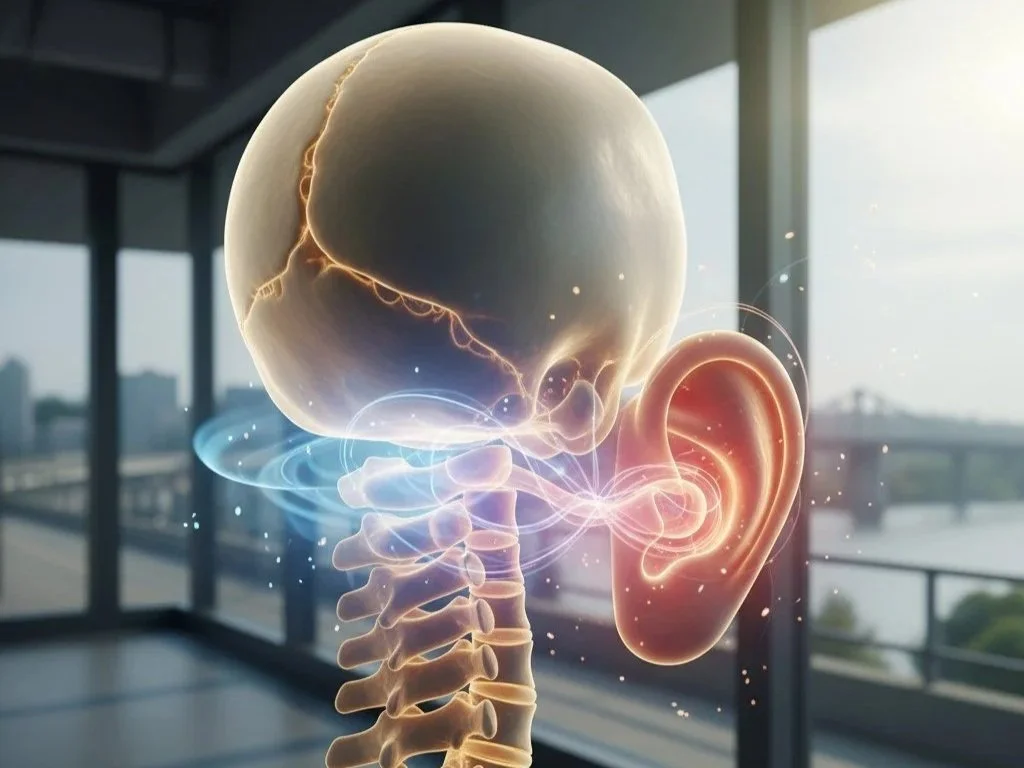
Vertigo, Tinnitus, and the Atlas: Understanding the Ear-Spine Connection
Persistent dizziness and ringing in your ears may have a structural cause. Learn how upper cervical alignment affects balance and inner ear function.

What Makes Upper Cervical Care Different From General Chiropractic
Understanding the specialized focus, precision techniques, and training that set upper cervical practitioners apart from general chiropractors can help you find the right approach.

How the Spine Changes With Age, and What You Can Do to Stay Ahead of It
Your spine undergoes predictable changes as you age. Understanding what happens structurally and how to support alignment can preserve mobility and quality of life.

Osteoporosis, Bone Density, and Spinal Health: What the Research Says
Bone density decline affects more than fracture risk. It influences spinal stability, nerve function, and balance. Here is what you need to know about osteoporosis spinal health.

Balance, Fall Prevention, and the Role of Upper Cervical Alignment in Older Adults
Balance problems and fall risk in older adults often have a structural cause overlooked by conventional medicine: upper cervical spine misalignment affecting coordination and spatial awareness.

What Healthy Aging Actually Looks Like From the Inside Out
Healthy aging naturally starts inside your body, with nervous system resilience, spinal alignment, and structural integrity that most wellness advice overlooks.

Wind Down Routines That Actually Work: Science-Backed Tips for Deeper Rest
Struggling to fall asleep despite exhaustion? Learn science-backed evening routine strategies that calm your nervous system and prepare your body for restorative rest.

How Your Body Repairs Itself Overnight, and What Disrupts That Process
Your body performs critical repair work during sleep, but misalignment and nervous system stress can block the healing process before it completes.

The Best Pillow and Mattress Setup for Cervical Spine Support
Your pillow and mattress can either protect or strain your upper cervical spine. Learn how to choose the right sleep setup for lasting neck health and pain-free mornings.

The Sleep and Mood Connection: How Poor Rest Amplifies Pain Perception
Sleep deprivation changes how your brain processes pain, intensifies emotional responses, and creates a cycle that worsens chronic symptoms. Understanding this connection opens new paths to relief.

Why Men Ignore Pain Signals, and What That Costs Long-Term
Men are conditioned to push through discomfort, but ignoring chronic pain creates cascading physical and neurological costs that worsen over time.

How Heavy Lifting, Desk Work, and Sports Stack Up on Your Cervical Spine
Three common activities create cumulative stress on your neck's most vulnerable joints. Learn how these forces compound and when alignment becomes essential.
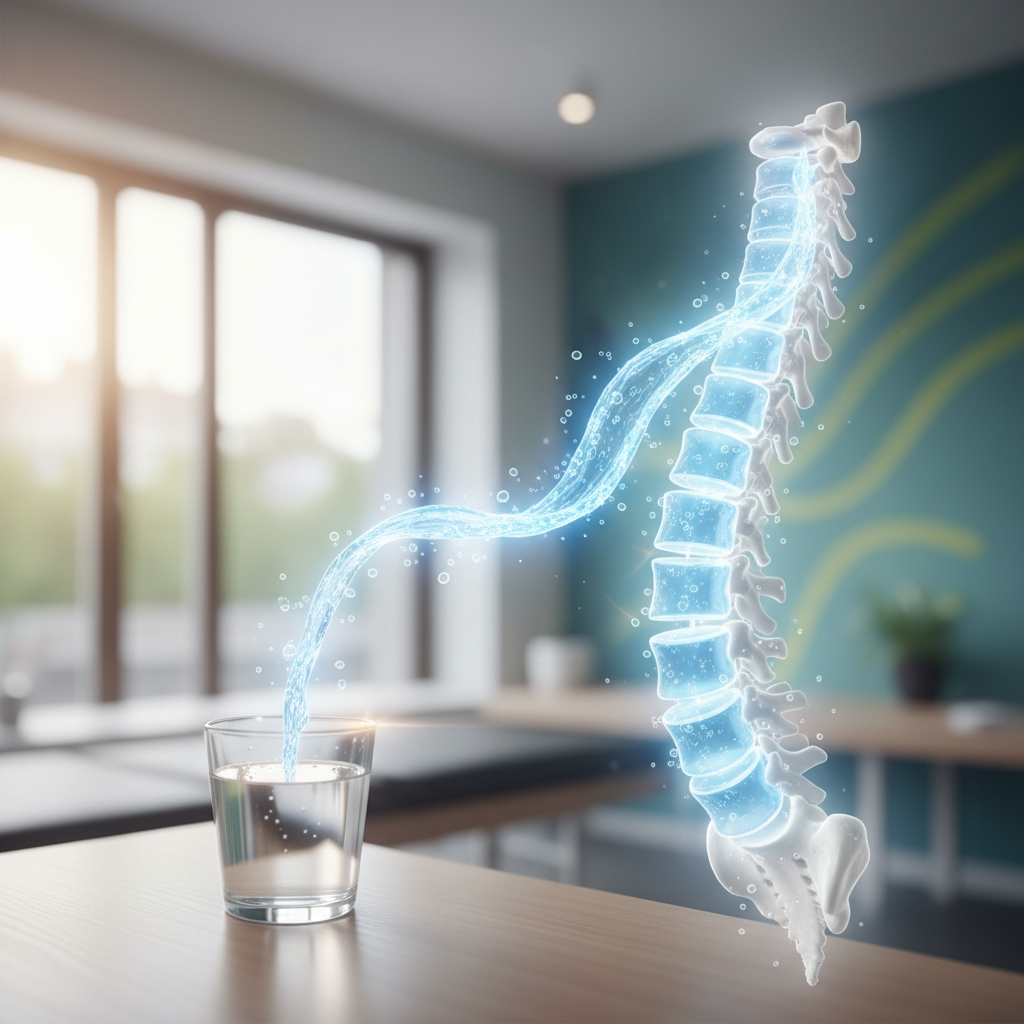
The Role of Hydration in Spinal Disc Health and Daily Energy
Your spinal discs depend on proper hydration to maintain their structure and protect your nervous system. Learn how water intake directly affects back pain and energy.

Shoulder and Neck Tension: What's Actually Going On and How to Fix It
Chronic neck and shoulder tension that stretching and massage cannot resolve may have a structural root. Understanding the connection between your upper cervical spine and muscle guarding can change everything.

The Nervous System and Mental Health Connection: What Your Spine Has to Do With How You Feel
Your mental health struggles may have a structural component you've never considered. Learn how upper cervical spine alignment affects mood, anxiety, and emotional resilience.

How Your Body Signals Burnout Before Your Mind Does: Reading the Early Warning Signs
Your body often recognizes burnout long before your mind accepts it. Learn to identify the physical warning signs and understand the structural patterns behind them.

Anxiety in the Body: Where Tension Hides and How to Release It Naturally
Anxiety lives in your jaw, neck, and shoulders. Learn where tension hides in the body and how upper cervical care may help release it naturally.

Morning Rituals That Set the Tone for Your Spine and Your Day
The way you begin your morning can determine how your spine and nervous system respond all day. Simple, intentional habits can transform your spinal health before you finish your coffee.

How Increased Daylight Hours in Spring Affect Sleep, Pain, and Recovery
Pacific Northwest springs bring rapid daylight shifts that disrupt your circadian rhythm, amplifying pain perception and hindering your body's natural healing processes.

Preparing Your Spine for Spring Gardening and Outdoor Activities
Discover how proper spinal alignment and body mechanics can help you prevent gardening back pain and enjoy a full, active spring season in the Pacific Northwest.