
Simple Breathing Exercises That Activate Your Parasympathetic Nervous System and Reduce Pain
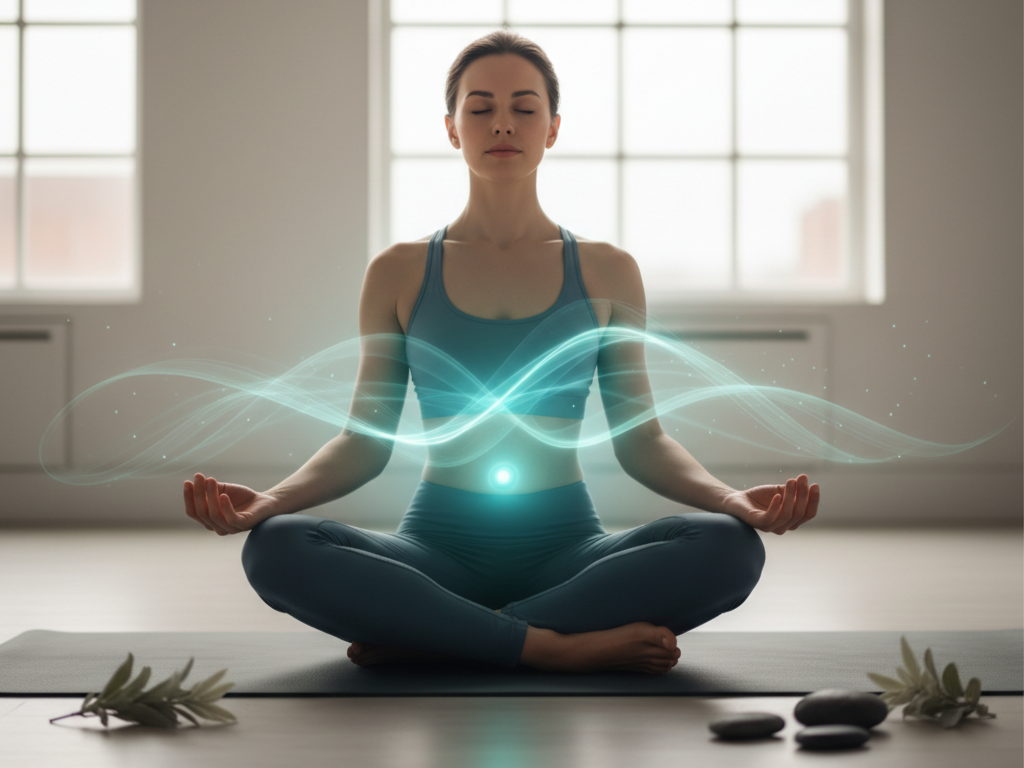
You have tried stretching, heat therapy, medication adjustments, and careful positioning, yet the pain persists. What if one of the most effective tools for managing chronic pain was not something you applied to your body but something you did with your body? Breathing exercises for pain relief represent a powerful, evidence-based approach that directly influences your nervous system's ability to calm inflammation, release muscle tension, and create conditions where healing can occur naturally.
The connection between breath and pain is not mystical or theoretical. It is rooted in the physiology of your autonomic nervous system, the network that controls every automatic function in your body, from heart rate to digestion to the tension held in your muscles. When you learn to use your breath intentionally, you gain direct access to the control panel of your body's stress response, and you can begin to shift the balance away from tension and toward repair.
Understanding the Two Branches of Your Nervous System and Why Balance Matters
Your autonomic nervous system operates through two primary branches, each designed for different survival needs. The sympathetic nervous system prepares you for action. It accelerates your heart rate, tightens muscles, and sharpens focus when you face a perceived threat. This is the system behind the fight-or-flight response, and it serves an essential protective function in moments of genuine danger.
The parasympathetic nervous system, by contrast, governs rest, digestion, and recovery. It slows your heart rate, relaxes smooth muscle tissue, promotes circulation to the digestive organs, and creates the internal environment necessary for tissue repair and immune function. This branch is often referred to as the rest-and-digest system, and it is the foundation of your body's ability to heal after injury or manage chronic inflammation.
In a balanced nervous system, these two branches alternate based on context. You activate the sympathetic system when needed and return to parasympathetic dominance when the stressor passes. However, chronic pain, ongoing stress, poor sleep, and past trauma can lock the body into sympathetic overdrive. When this happens, muscle tension becomes habitual, inflammation becomes chronic, and the body loses access to its natural healing capacity.
Breathing exercises offer a physiological reset. By engaging specific respiratory patterns, you send direct signals to your brainstem and vagus nerve that it is safe to release the stress response and shift into a state that supports recovery. This is not relaxation for the sake of comfort alone. It is nervous system regulation for the sake of healing.
What the Parasympathetic Nervous System Does for Healing and Pain Relief
When your parasympathetic nervous system is activated, a cascade of physiological changes occurs, many of which directly address the root causes of chronic pain. Blood flow shifts away from the large muscle groups prepared for action and returns to the core organs and peripheral tissues, improving oxygen and nutrient delivery to areas in need of repair.
Heart rate variability, a key indicator of nervous system health, improves when parasympathetic tone is strong. Higher heart rate variability is associated with better resilience to stress, lower levels of systemic inflammation, and improved pain tolerance, according to research published by the American Chiropractic Association.
Muscle tension decreases because the nervous system no longer perceives a threat that requires guarding. Chronic pain often involves a feedback loop in which the nervous system signals danger, muscles tighten in response, and that tightness creates more pain signals. Breaking that loop requires a shift at the nervous system level, not just at the muscle itself.
Digestive function improves, which may seem unrelated to pain but is deeply connected. The gut and brain communicate constantly through the vagus nerve, and digestive stress can amplify central nervous system inflammation. When parasympathetic activation restores digestive rhythm, you reduce one hidden contributor to systemic discomfort.
Sleep quality improves as well. Parasympathetic dominance supports the transition into deep, restorative sleep stages where tissue repair and hormone regulation occur. Poor sleep magnifies pain perception, so improving sleep through nervous system regulation creates measurable improvements in how pain is experienced day to day.
The Vagus Nerve and Its Role in Calming Your Body's Stress Response
The vagus nerve is the longest cranial nerve in your body, running from your brainstem through your neck, chest, and abdomen, touching nearly every major organ along the way. It is the primary pathway through which parasympathetic signals travel, and it plays a central role in regulating inflammation, heart rate, digestion, and mood.
When you engage in controlled, intentional breathing patterns, particularly those that emphasize a longer exhale than inhale, you stimulate vagus nerve activity. This stimulation sends a signal to your brainstem that reduces the output of stress hormones like cortisol and adrenaline and increases the release of calming neurotransmitters like acetylcholine.
The vagus nerve also communicates upward to the brain, influencing areas responsible for emotional regulation and pain perception. This is why vagus nerve breathing techniques can reduce not only physical tension but also the emotional distress that often accompanies chronic pain.
Vagal tone, the measure of how well your vagus nerve functions, can be strengthened over time through consistent practice. A stronger vagal tone means a more responsive parasympathetic system, which translates to better pain management, improved emotional resilience, and faster recovery from physical or mental stress.
At The Upper Cervical Clinic, we often see patients whose chronic pain patterns are linked to disrupted nervous system signaling originating in the upper cervical spine. Misalignments in the C1 and C2 vertebrae can interfere with vagus nerve function because of their proximity to the brainstem. Addressing these structural issues while simultaneously supporting nervous system regulation through breathwork creates a foundation for meaningful, lasting relief.
Four Science-Backed Breathing Techniques You Can Use Anywhere
The following techniques are accessible, require no equipment, and can be practiced in any setting. Each has been studied for its impact on nervous system regulation, and each offers a slightly different entry point depending on your needs and comfort level.
Diaphragmatic Breathing
Also known as belly breathing, this technique emphasizes full engagement of the diaphragm rather than shallow chest breathing. Sit or lie in a comfortable position and place one hand on your chest and the other on your abdomen. Inhale slowly through your nose, allowing your abdomen to rise while keeping your chest relatively still. Exhale slowly through your nose or mouth, feeling your abdomen fall. Repeat for five to ten minutes. This pattern activates the parasympathetic nervous system by increasing oxygen exchange efficiency and signaling safety to the brainstem.
Box Breathing
Box breathing, also called square breathing, involves equal intervals of inhaling, holding, exhaling, and holding again. Inhale through your nose for a count of four. Hold your breath for a count of four. Exhale through your nose or mouth for a count of four. Hold empty for a count of four. Repeat the cycle for several minutes. This technique is used by military personnel and emergency responders to maintain calm under pressure. It balances oxygen and carbon dioxide levels while creating rhythmic nervous system input that reduces sympathetic activation.
4-7-8 Breathing
Developed by integrative medicine physician Dr. Andrew Weil, this pattern emphasizes a prolonged exhale to deepen relaxation. Inhale quietly through your nose for a count of four. Hold your breath for a count of seven. Exhale completely through your mouth for a count of eight, making a gentle whooshing sound. Repeat the cycle three to four times. The extended exhale directly stimulates the vagus nerve and signals the body to shift into parasympathetic dominance. Many patients find this particularly effective before sleep or during pain flares.
Alternate Nostril Breathing
This technique comes from yogic tradition and has been studied for its effects on autonomic balance and stress reduction. Sit comfortably and use your right thumb to close your right nostril. Inhale slowly through your left nostril. Close your left nostril with your right ring finger, release your right nostril, and exhale through the right side. Inhale through the right nostril, then switch and exhale through the left. Continue alternating for five to ten minutes. Research suggests this practice balances activity between the two hemispheres of the brain and promotes coherent heart rate patterns, both of which support pain regulation and emotional stability. [ICA Reference]
How Controlled Breathing Reduces Muscle Tension and Supports Spinal Alignment
Chronic pain often involves protective muscle guarding, a reflex in which muscles remain contracted to protect an area the nervous system perceives as vulnerable. This guarding creates secondary tension, limits range of motion, and distorts posture over time. The longer the guarding persists, the more it reinforces dysfunctional movement patterns and places additional strain on the spine.
Controlled breathing interrupts this cycle at the nervous system level. When you activate the parasympathetic response through intentional breathwork, the signal to guard is reduced. Muscles can begin to release without conscious effort because the underlying threat perception has changed. This is why patients often report that tension they could not release through stretching alone begins to soften after consistent breathwork practice.
Breathing also directly influences spinal mechanics. The diaphragm, your primary breathing muscle, attaches to the lumbar spine and works in coordination with the pelvic floor and deep core stabilizers. When breathing is shallow and chest-dominant, these stabilizing muscles become underactive, placing additional strain on the spine. Diaphragmatic breathing restores proper coordination, supporting spinal alignment from the inside out.
Upper cervical alignment plays a unique role in this relationship. Misalignments in the atlas or axis vertebrae can alter the tension patterns in the muscles surrounding the neck and shoulders, which in turn affects breathing mechanics. Patients with forward head posture, often linked to upper cervical misalignment, tend to develop compensatory breathing patterns that reinforce sympathetic nervous system dominance. Addressing the structural component while teaching proper breathing creates a synergistic effect that many patients describe as transformative.
When to Use Breathing Exercises: Before Bed, During Pain Flares, or Throughout the Day
The versatility of breathwork is one of its greatest strengths. These techniques can be used reactively during moments of acute stress or pain, or they can be integrated proactively into daily routines to build nervous system resilience over time.
Before bed, breathing exercises prepare the body for restorative sleep by lowering heart rate and reducing the mental chatter that often keeps people awake. The 4-7-8 technique is particularly effective in this context because the prolonged exhale actively shifts the body into a pre-sleep state.
During pain flares, breathing can serve as an immediate intervention. When pain spikes, the instinct is often to brace, hold the breath, or breathe shallowly. These responses increase muscle tension and amplify pain perception. By consciously slowing and deepening the breath, you interrupt that amplification and give the nervous system permission to down-regulate.
Throughout the day, short breathing breaks can prevent the accumulation of sympathetic stress. Setting a timer to pause for two minutes of diaphragmatic breathing every few hours can maintain baseline parasympathetic tone, reducing the likelihood that stress will build to the point of physical symptoms.
Patients at The Upper Cervical Clinic are often encouraged to pair breathing exercises with their adjustment schedule. Immediately following an upper cervical correction, the nervous system is in a heightened state of receptivity. Practicing breathwork during this window can reinforce the shift toward balance and support the body's integration of the structural change.
What to Expect When You Start a Daily Breathwork Practice
Like any skill, breathwork becomes more effective with consistency. In the first few sessions, you may notice an immediate sense of calm or a subtle reduction in muscle tension. These are encouraging signs that your nervous system is responding, but the deeper benefits accumulate over weeks and months of regular practice.
Some people experience light-headedness when they first begin, particularly with techniques that involve breath retention or extended exhales. This is usually a temporary adjustment as your body recalibrates its oxygen and carbon dioxide balance. If dizziness occurs, return to normal breathing and try again later with shorter intervals.
Emotional releases can also occur during breathwork. Because breathing directly influences the nervous system's stress response, old tension or unprocessed emotions may surface as the body begins to feel safe enough to let go. This is a normal part of the healing process and often signals that meaningful change is happening beneath the surface.
Over time, you may notice improvements in sleep quality, a reduction in the frequency or intensity of pain flares, better emotional regulation, and a greater sense of control over your body's responses. These changes reflect improved vagal tone and a more balanced autonomic nervous system, both of which create the conditions for long-term healing.
How The Upper Cervical Clinic Helps You Build a Foundation for Nervous System Health
Breathwork is a powerful tool, but it works best when the structural foundation of your nervous system is sound. The upper cervical spine, specifically the atlas and axis vertebrae, houses the brainstem and serves as the primary relay point for nerve signals traveling between the brain and body. When these vertebrae are misaligned, even slightly, the resulting nerve interference can keep the body locked in a state of sympathetic dominance, making it difficult to access the parasympathetic rest-and-repair state no matter how diligently you practice breathwork.
At The Upper Cervical Clinic, Dr. Larry Burks uses NUCCA (National Upper Cervical Chiropractic Association) and KCUCS techniques to identify and correct these misalignments with precision. The process begins with a comprehensive health history review, followed by thermal scan examination and, when indicated, diagnostic X-rays. This thorough assessment allows Dr. Burks to understand the exact nature of your spinal misalignment and how it may be contributing to your pain and nervous system dysregulation.
Corrections are gentle, non-invasive, and highly specific. Patients often describe the adjustment as subtle, yet the effects can be profound. By restoring proper alignment to the upper cervical spine, nerve interference is reduced, allowing the parasympathetic nervous system to function as it should. Many patients report that breathwork techniques they struggled with before adjustment suddenly feel more natural and effective afterward.
The Upper Cervical Clinic also provides education and support for integrating breathwork into your daily routine. You are not simply treated and sent home. You are equipped with tools and understanding so that you can actively participate in your healing process.
If you have been managing chronic pain, migraines, vertigo, or other symptoms that have not responded fully to conventional care, exploring the connection between your upper cervical spine and nervous system health may reveal the missing piece. The clinic welcomes patients from Portland, Oregon and throughout the Pacific Northwest who are seeking root-cause solutions, not just symptom management.
The Upper Cervical Clinic offers a free 15-minute consultation where you can discuss your symptoms, ask questions, and learn whether upper cervical care may be a fit for your situation. There is no pressure, no rush, and no obligation. This is simply an opportunity to explore your options with a provider who listens, explains, and treats you as a whole person. You can reach the clinic to schedule your consultation and take the first step toward a calmer, more balanced nervous system and lasting relief.
Frequently Asked Questions
How does breathing reduce pain in the body?
Breathing exercises activate the parasympathetic nervous system, which decreases muscle tension, improves blood flow to injured tissues, and reduces stress hormones that amplify pain signals. This creates the internal conditions necessary for natural healing and breaks the cycle where tension creates more pain.
What is the vagus nerve and how does it affect pain?
The vagus nerve is the main pathway for parasympathetic signals from your brainstem to major organs throughout your body. When stimulated through controlled breathing, it reduces inflammation, lowers stress hormones, and influences brain areas responsible for pain perception and emotional regulation.
Can breathing exercises help with chronic pain?
Yes, breathing exercises can help manage chronic pain by shifting your nervous system out of stress mode, releasing habitual muscle guarding, improving sleep quality, and reducing systemic inflammation. Consistent practice strengthens your body's natural pain regulation mechanisms over time.
What is parasympathetic nervous system activation?
Parasympathetic activation is when your body shifts into rest and recovery mode, slowing heart rate, relaxing muscles, improving digestion, and enhancing tissue repair. This state supports healing and counteracts the chronic stress response that contributes to ongoing pain and inflammation.
How long should I exhale during breathing exercises for pain relief?
Your exhale should be longer than your inhale to effectively stimulate vagus nerve activity and activate the parasympathetic response. This extended exhale signals safety to your nervous system and triggers the physiological changes that reduce pain and promote healing.