
Vertigo, Tinnitus, and the Atlas: Understanding the Ear-Spine Connection
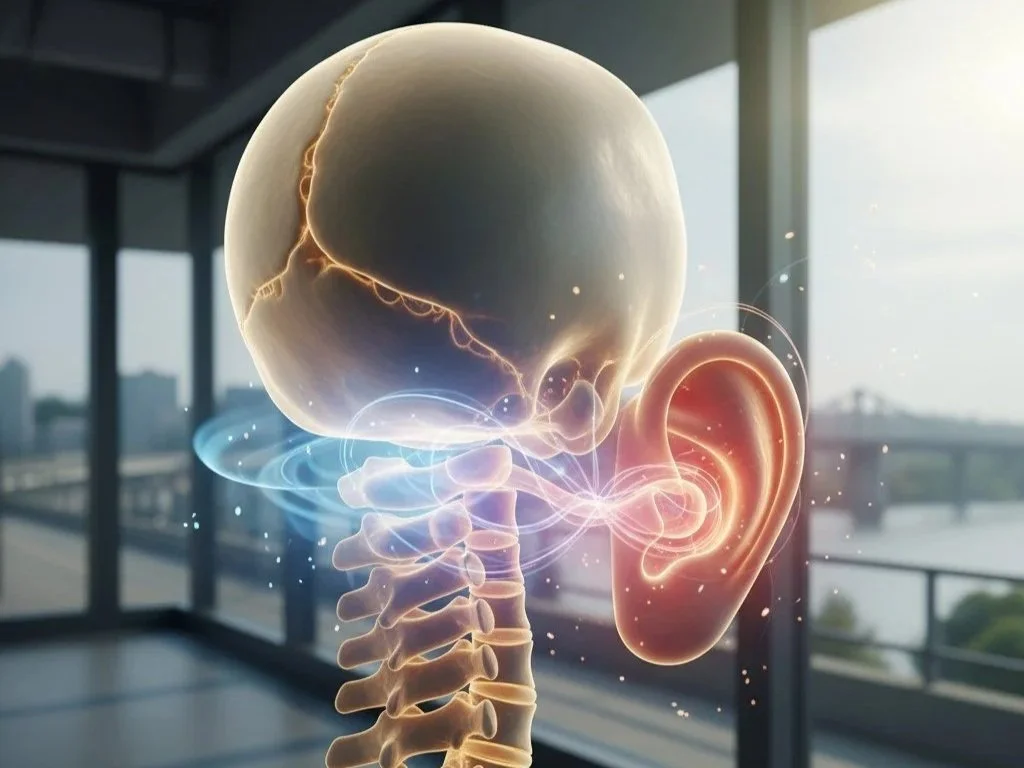
You have undergone multiple tests. Your hearing has been checked, your inner ear evaluated, and imaging has shown nothing remarkable. Yet the dizziness persists, the ringing continues, and the unpredictable episodes of vertigo disrupt your daily life in ways that seem invisible to your medical team. You have been told everything looks fine, but you know something is not right. What if the source of your symptoms is not located in your ear at all, but in the structural relationship between your upper neck and the delicate systems that govern balance and hearing?
Many patients who seek vertigo treatment in Portland arrive at The Upper Cervical Clinic after exhausting conventional approaches. They are often surprised to learn that the alignment of the atlas vertebra, the topmost bone in the spine, has a direct anatomical and neurological connection to the inner ear and balance centers. Understanding this connection opens the door to a non-invasive, precise approach that addresses the root cause rather than managing symptoms alone.
How the Inner Ear and Balance System Actually Work
The inner ear is far more than an organ of hearing. It is also the headquarters of your vestibular system, the network responsible for spatial orientation, balance, and coordination. Within the temporal bone of your skull, the inner ear houses three semicircular canals filled with fluid and lined with tiny hair cells that detect motion. When you move your head, the fluid shifts, the hair cells bend, and signals travel through the vestibular nerve to your brainstem. Your brain then interprets this information, adjusts muscle tone, and keeps you upright and steady.
This system is exquisitely sensitive. Even minor disruptions to the flow of fluid, the pressure within the canals, or the clarity of nerve signaling can produce profound symptoms. Vertigo, the sensation that the room is spinning, occurs when conflicting signals reach the brain. Tinnitus, a persistent ringing or buzzing in the ears, can result when the auditory nerve is irritated or compressed. Both conditions can emerge from structural interference that conventional diagnostics frequently overlook.
The Atlas Vertebra's Proximity to the Brainstem and Vestibular Nerve
The atlas, also known as C1, is the first cervical vertebra. It sits directly beneath your skull, cradling the base of your brain and forming the junction between your head and spine. This position is not incidental. The atlas surrounds the most critical region of your nervous system: the brainstem, where the spinal cord transitions into the brain. This is also the precise location where the vestibular nerve exits the inner ear and connects to the brain's balance centers.
Because the atlas is a ring-shaped bone with no interlocking joints, it is inherently unstable. It relies on ligaments, muscles, and precise biomechanics to maintain alignment. When the atlas shifts out of its optimal position, even by a few millimeters, it can create tension on the surrounding tissues, compress nerve pathways, or alter the flow of cerebrospinal fluid. These changes can directly affect the vestibular nerve and the structures responsible for balance and hearing. This anatomical proximity explains why tinnitus and neck alignment are more closely related than many patients, or even providers, realize.
Why Misalignment in the Upper Cervical Spine Can Disrupt Ear Function
The connection between spinal misalignment and inner ear symptoms is not speculative. It is rooted in measurable anatomy and physiology. When the atlas is misaligned, several cascading effects can occur that interfere with normal vestibular and auditory function.
Nerve Irritation and Compression
The vestibular nerve, part of the eighth cranial nerve, passes through a narrow canal in the temporal bone before reaching the brainstem. Any alteration in the spatial relationship between the atlas and the skull base can place stress on this nerve. Irritation or compression may produce dizziness, balance disturbances, and auditory symptoms such as tinnitus. The body interprets this interference as a problem with equilibrium, even when the inner ear structures themselves are intact.
Altered Blood Flow
The vertebral arteries, which supply oxygen-rich blood to the brainstem and inner ear, travel through small openings in the cervical vertebrae. Misalignment in the upper cervical spine can restrict blood flow through these arteries, reducing the oxygen and nutrients available to the delicate tissues of the inner ear. This vascular compromise can contribute to conditions such as Meniere's disease, where fluid imbalance in the inner ear produces episodic vertigo, hearing loss, and tinnitus.
Cerebrospinal Fluid Disruption
Cerebrospinal fluid bathes the brain and spinal cord, providing cushioning and removing metabolic waste. This fluid flows through the foramen magnum, the opening at the base of the skull that the atlas encircles. Misalignment of the atlas can impede the normal flow of cerebrospinal fluid, increasing intracranial pressure and disrupting the hydraulic balance of the inner ear. Patients with conditions like Meniere's disease often experience relief when this fluid flow is restored to normal patterns.
Research Findings on Upper Cervical Care and Vertigo Relief
The connection between upper cervical alignment and vestibular symptoms is supported by clinical research and case studies within the chiropractic and neurological communities. According to data published by the National Upper Cervical Chiropractic Association, patients receiving upper cervical care for vertigo and dizziness reported significant improvements in symptom frequency and intensity following correction of atlas misalignment. These findings are consistent with the anatomical relationship between the atlas, the brainstem, and the vestibular system.
One study examining patients with chronic vertigo found that upper cervical misalignment was present in a significant percentage of cases, and that correction of these misalignments corresponded with marked symptom reduction. While not every case of vertigo stems from spinal misalignment, the research underscores the importance of evaluating cervical structure when conventional approaches fail to provide answers or relief.
What Patients with Meniere's Disease Should Know About Spinal Alignment
Meniere's disease is characterized by episodes of severe vertigo, fluctuating hearing loss, tinnitus, and a sensation of fullness in the ear. The condition is traditionally attributed to abnormal fluid buildup in the inner ear, though the exact cause remains unclear in conventional medicine. What is becoming increasingly recognized, however, is the potential role of cervical spine misalignment in the onset and persistence of Meniere's symptoms.
Many patients with Meniere's disease have a history of head or neck trauma, whiplash, or significant postural strain. These events can displace the atlas and disrupt the normal flow of cerebrospinal fluid and blood to the inner ear. When the atlas is corrected and maintained in proper alignment, the pressure dynamics within the skull and inner ear can normalize. This does not guarantee resolution of all symptoms, but many patients report fewer episodes, reduced intensity, and improved quality of life following upper cervical care for dizziness and related vestibular conditions.
It is important to note that upper cervical care is not positioned as a replacement for other medical management. Rather, it serves as a complementary approach that addresses a structural component often overlooked in standard treatment protocols. Dr. Larry Burks can work collaboratively with neurologists, audiologists, and other specialists to ensure that patients receive comprehensive, coordinated care.
How Upper Cervical Assessment Identifies Structural Contributors to Dizziness
At The Upper Cervical Clinic, the assessment process is thorough and precise. Every patient begins with a comprehensive health history review that includes questions about past injuries, the onset and pattern of symptoms, and any previous treatments. This conversation provides context and helps identify potential structural triggers that may not appear on standard imaging.
Thermal Scan Examination
A paraspinal thermal scan measures temperature differences along both sides of the spine. These asymmetries indicate areas of nerve interference or inflammation. In patients with vertigo or tinnitus, thermal scans often reveal imbalances in the upper cervical region, suggesting that the nervous system is under stress in the precise area that influences vestibular function.
Diagnostic X-Ray Analysis
When indicated, diagnostic X-rays are taken to measure the exact degree and direction of atlas misalignment. These images are analyzed using precise vector calculations to determine the optimal correction pathway. This specificity is critical because no two misalignments are identical, and generic adjustments are insufficient when dealing with structures as delicate as the brainstem and vestibular nerve.
Personalized Care Plan
Following assessment, Dr. Burks presents a clear, personalized care plan. The plan includes the recommended technique, the expected frequency of adjustments, and realistic timelines for improvement. Patients are never pressured, and the goal is always the same: restore optimal alignment, reduce nerve interference, and allow the body's natural healing intelligence to take over.
What Relief Looks Like: Patient Experiences with Vertigo and Tinnitus
Relief from vertigo and tinnitus is rarely instant, but it is often profound. Patients commonly report a gradual reduction in the frequency and severity of episodes. The spinning sensation becomes less intense, the ringing quiets, and the sense of instability begins to fade. Many describe feeling more grounded, more present, and more confident in their daily movements.
One patient who had struggled with Meniere's disease for over a decade found that after three months of upper cervical care, the debilitating vertigo episodes that had kept her homebound became infrequent and manageable. Another patient, a graphic designer who had been living with constant tinnitus following a car accident, reported that the ringing diminished significantly after addressing a chronic atlas misalignment. These stories are not anomalies. They reflect what becomes possible when the structural foundation of the nervous system is corrected.
It is important to set realistic expectations. Not every patient achieves complete symptom resolution, and timelines vary based on the severity of misalignment, the chronicity of symptoms, and individual healing capacity. However, many patients find that even partial relief transforms their quality of life in meaningful ways.
Daily Habits That Support Inner Ear and Cervical Spine Health
While upper cervical care addresses the structural cause of vestibular symptoms, daily habits can support long-term stability and reduce the likelihood of recurrence. These practices are not complex, but they require consistency and mindful attention to how you move and position your body throughout the day.
Maintain Neutral Head Posture
Forward head posture, common in those who spend hours at a computer or looking down at a phone, places significant strain on the upper cervical spine. Make a habit of keeping your ears aligned over your shoulders. Adjust your workstation so that your screen is at eye level, and take frequent breaks to reset your posture.
Sleep in a Supportive Position
Your pillow should support the natural curve of your neck without forcing your head into flexion or extension. Sleeping on your back or side is preferable to stomach sleeping, which rotates the atlas and places tension on the cervical ligaments. If you wake with neck stiffness or dizziness, your sleep position may be contributing to the problem.
Stay Hydrated
Adequate hydration supports the flow of cerebrospinal fluid and helps maintain the fluid balance within the inner ear. Dehydration can exacerbate symptoms of Meniere's disease and other vestibular conditions. Aim for consistent water intake throughout the day, especially if you consume caffeine or alcohol, both of which can have diuretic effects.
Avoid Sudden Head Movements
While it may seem obvious, abrupt turning, tilting, or jerking of the head can aggravate an already sensitized vestibular system. Move intentionally, particularly when getting out of bed, turning to look over your shoulder, or reaching for items on high shelves. Slow, controlled movements allow your nervous system to adapt without triggering a vertigo episode.
Manage Stress and Nervous System Load
Chronic stress amplifies nervous system sensitivity and can worsen vertigo and tinnitus. Practices such as deep breathing, gentle stretching, walking in nature, and reducing overstimulation from screens can help calm the nervous system and reduce symptom flare-ups. You do not need a complicated wellness routine. Simple, consistent practices yield the most sustainable results.
Understanding Your Options and Taking the Next Step
If you have been living with vertigo, tinnitus, or balance disturbances that conventional medicine has not fully addressed, it may be time to consider whether a structural misalignment in your upper cervical spine is contributing to your symptoms. The connection between the atlas vertebra and inner ear function is not speculative. It is anatomical, measurable, and clinically significant.
At The Upper Cervical Clinic, Dr. Larry Burks uses precision techniques such as NUCCA and KCUCS to identify and correct atlas misalignments with gentle, non-invasive adjustments. Every patient receives a thorough assessment, a clear explanation of findings, and a personalized care plan designed around their unique anatomy and health history. There is no pressure, no rush, and no guaranteed outcomes. There is only a commitment to helping you understand what is happening in your body and offering a pathway toward relief.
If you are ready to explore whether upper cervical care may help you find the stability and clarity you have been missing, we invite you to schedule a complimentary 15-minute consultation. It is a conversation, not a commitment. You deserve to be heard, to have your symptoms taken seriously, and to explore every structural option available. Relief is possible, and it begins with understanding the root cause.
Frequently Asked Questions
Can neck problems cause vertigo and dizziness?
Yes, misalignment of the upper cervical spine, particularly the atlas vertebra, can compress the vestibular nerve, restrict blood flow to the inner ear, and disrupt cerebrospinal fluid flow. These structural changes often produce vertigo, dizziness, and balance problems even when inner ear tests appear normal.
What is the atlas vertebra and how does it affect balance?
The atlas is the first cervical vertebra located directly beneath your skull. It surrounds the brainstem and sits adjacent to where the vestibular nerve connects to the brain's balance centers, making its alignment critical for proper inner ear and equilibrium function.
Can upper cervical chiropractic help with tinnitus?
Upper cervical alignment correction may relieve tinnitus by reducing nerve irritation, improving blood flow to the auditory structures, and restoring normal cerebrospinal fluid pressure. Many patients experience reduced ringing intensity when structural interference affecting the eighth cranial nerve is addressed.
Why do I have vertigo when my ear tests are normal?
Normal ear test results suggest your inner ear structures are intact, but vertigo can originate from atlas misalignment affecting the vestibular nerve, brainstem function, or fluid flow. The problem may be structural rather than within the ear itself, requiring examination of upper cervical spine alignment.
What are the symptoms of atlas misalignment?
Atlas misalignment commonly produces vertigo, dizziness, tinnitus, balance disturbances, neck pain, headaches, and visual problems. Because the atlas surrounds the brainstem and affects nerve pathways and blood flow, symptoms often involve neurological and vestibular functions beyond typical neck discomfort.