How Core Strength Improves Your Posture and Reduces Back Pain
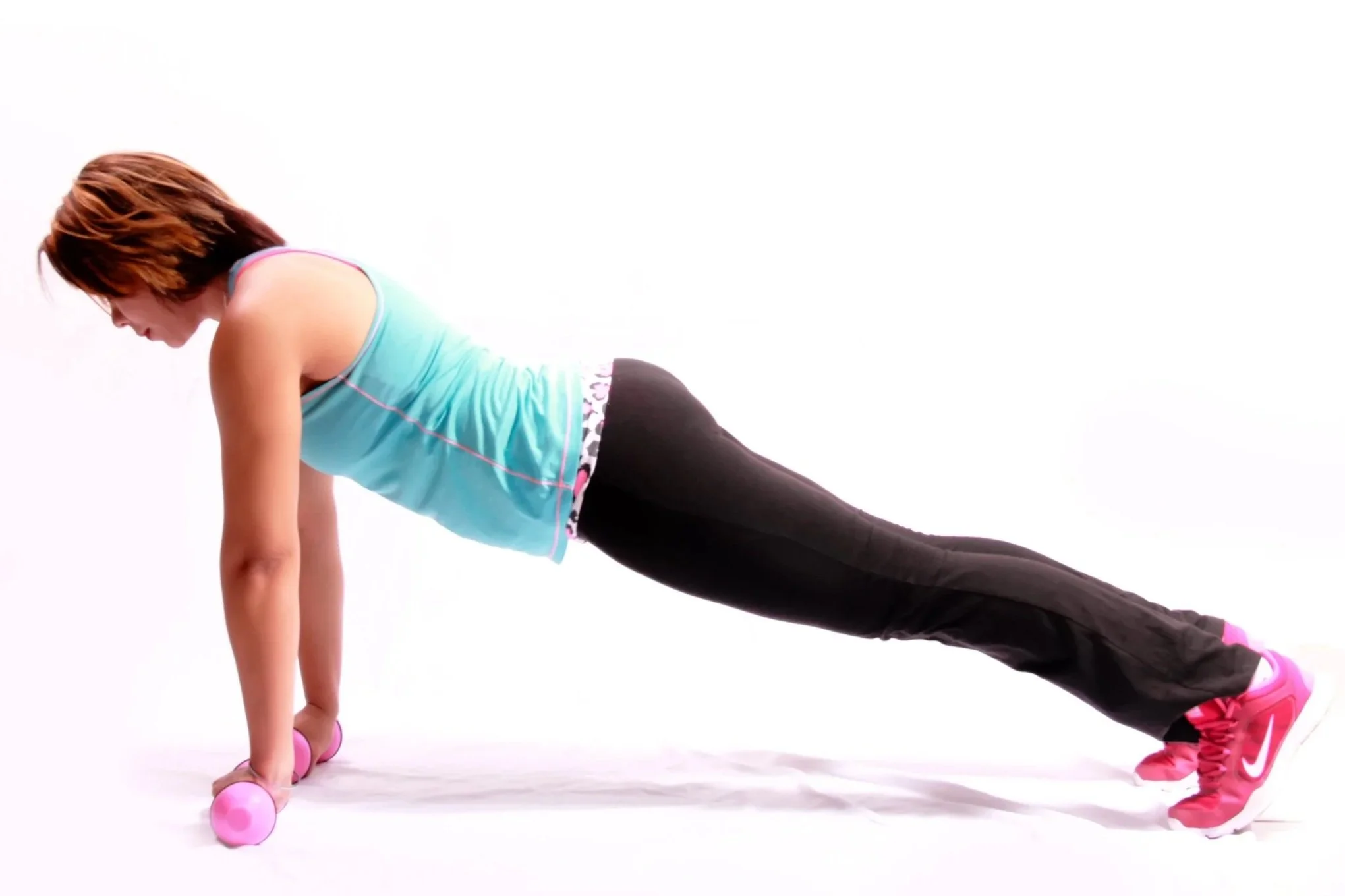
When people hear the phrase core strength, the first image that often comes to mind is a fitness class filled with sit-ups or planks. Many people associate the core with visible abdominal muscles and athletic training. While those ideas are not completely wrong, they only tell a small part of the story.
The core is actually one of the most important support systems for the spine. These muscles help stabilize the body, maintain balance, and allow the spine to move safely during everyday activities. When the core functions well, it acts like a natural brace that supports the spine throughout the day.
When the core becomes weak or unbalanced, the spine may lose some of that support. Posture can begin to collapse, the lower back may experience more stress, and muscles in the neck and shoulders may work harder than they should.
For many people who struggle with posture issues or recurring back discomfort, core strength is important.
Understanding how the core works can help explain why building these muscles often leads to better posture, greater stability, and reduced back pain.
Understanding What the Core Really Is
Many fitness conversations simplify the core as the abdominal muscles located at the front of the body. In reality, the core is a much larger and more complex system.
The core includes several groups of muscles that surround and stabilize the spine. These muscles work together to support posture and maintain balance during movement.
Deep abdominal muscles play an important function in stabilizing the spine. These muscles are located beneath the more visible abdominal layers and help create tension that supports the lower back.
Along the back of the body, muscles that run alongside the spine help control movement and preserve stability between individual vertebrae. These muscles help the spine stay balanced when the body bends, twists, or lifts objects.
The diaphragm, which is the primary muscle used for breathing, also adds to core stability. When the diaphragm works together with the abdominal and pelvic floor muscles, it creates internal pressure that helps support the spine.
Muscles in the hips and pelvis also play an important role. Strong glute and hip muscles help control the position of the pelvis, which directly affects spinal alignment.
When these muscles function together, they create a stable base that allows the spine to move safely and efficiently.
Why the Spine Depends on Core Strength
The spine is both strong and flexible. It must be strong enough to support the body's weight, yet flexible enough to allow a wide range of motion.
Because of this design, the spine depends heavily on surrounding muscles for support.
Think of the spine as a flexible tower made up of stacked bones. Without surrounding support, the structure would be unstable. The core muscles act like tension cables that stabilize the tower and keep it upright.
When core muscles are strong and coordinated, they help evenly distribute forces throughout the spine. Everyday movements such as standing, walking, or lifting become more efficient because the spine is supported by the muscles surrounding it.
When core muscles weaken, the spine may begin to depend more heavily on ligaments and joints for stability. These structures are not designed to handle constant load without muscular support.
Over time, this added stress may contribute to back discomfort or fatigue.
Research from the American Chiropractic Association indicates that muscular support around the spine plays an essential role in preventing musculoskeletal strain and maintaining spinal stability.
Strengthening the core helps restore this natural support system.
The Relationship Between Core Strength and Posture
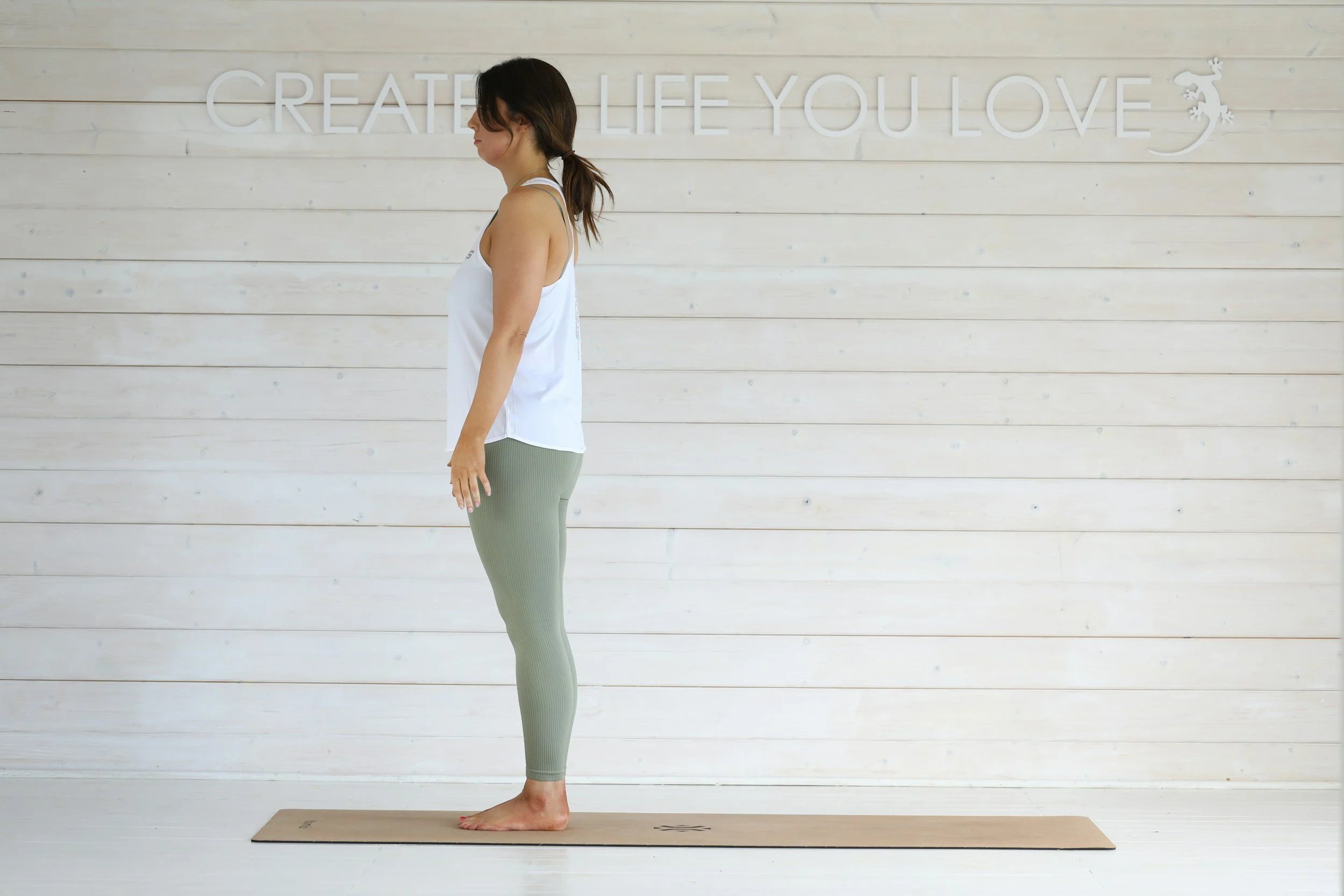
Posture is often described as the way we hold our bodies when sitting, standing, or moving. Good posture allows the spine to maintain its natural curves while keeping the head, shoulders, and hips aligned.
Maintaining this alignment requires muscular support.
Core muscles help stabilize the pelvis and lower spine, which form the foundation for the rest of the body's posture. When these muscles work properly, the spine can maintain its natural curves with less effort.
When the core becomes weak, posture often begins to change.
One common pattern is a forward pelvic tilt. When the pelvis tilts forward, the lower back may develop an exaggerated curve. This change in alignment may increase pressure on the lower spine's joints.
Another common posture pattern occurs when the upper body collapses forward. Weak core muscles may allow the shoulders to round and the head to move forward.
Forward head posture has become increasingly common in today's digital world. Long hours spent looking at computers, tablets, and phones can cause the head to move forward of the shoulders.
This posture places additional strain on the neck and upper back muscles.
Strengthening the core helps support a more upright posture. When the pelvis and spine are stabilized, the shoulders and head can align more naturally with the rest of the body.
Why Weak Core Muscles Can Lead to Back Pain
Back pain often develops gradually rather than appearing suddenly. Many small factors may contribute over time, and core weakness is frequently one of them.
When core muscles are unable to provide adequate support, the body often compensates by recruiting other muscles to help stabilize the spine.
The lower back muscles are commonly asked to do this extra work. These muscles can support the spine, but they are not designed to handle the entire workload.
As a result, they may become fatigued or tense after long periods of activity or sitting.
Muscle fatigue can create stiffness or discomfort in the lower back.
Joint stress may also increase when core muscles are weak. The small joints between vertebrae are designed to guide movement rather than support large loads. When muscles do not provide sufficient stability, these joints may experience additional pressure.
Over time, this increased stress may contribute to irritation in surrounding tissues.
Strengthening the core helps reduce this burden by spreading the load more evenly across the muscles that support the spine.
Core Stability During Everyday Movement
Many people assume that core strength only matters during exercise, but the core is active throughout the entire day.
Every time we stand, walk, or reach for an object, the core helps stabilize the spine.
While walking, the core muscles help maintain balance as the arms and legs move. Without this firmness, walking would feel awkward and inefficient.
When bending to pick up an object, the core helps protect the spine by coordinating the movement between the hips and back.
Even sitting requires core activation.
When core muscles engage properly during sitting, they help maintain upright posture and lessen strain on the lower back. When the core relaxes completely, the body may collapse into a slouched position, placing more pressure on spinal joints.
Developing strong core muscles helps support these everyday activities.
The body becomes better equipped to handle the minor physical requirements of daily life.
How Core Strength Supports the Nervous System
The relationship between core strength and spinal health goes beyond muscles and joints. The nervous system also benefits from improved stability.
The spine protects the spinal cord, which carries signals between the brain and the body. When the spine moves in a controlled and balanced way, the nervous system can communicate efficiently with muscles and organs.
Strong core muscles help maintain stability during movement.
When the body twists, bends, or lifts, the core helps guide these movements so that they occur in a controlled manner. This control helps prevent sudden or excessive stress on spinal structures.
Better stability also improves proprioception, the body's sense of position and movement.
Muscle and joint sensors constantly send information to the brain about posture and motion. Strong core muscles provide clearer feedback to the nervous system, allowing the brain to make quick adjustments that support balance and coordination.
Effective Exercises That Strengthen the Core
Core strengthening does not require complicated equipment or advanced training. Many effective exercises rely on simple movements that activate stabilizing muscles.
Plank exercises are widely used because they engage multiple muscle groups. When holding a plank position, the abdominal, back, and hip muscles all engage to keep alignment.
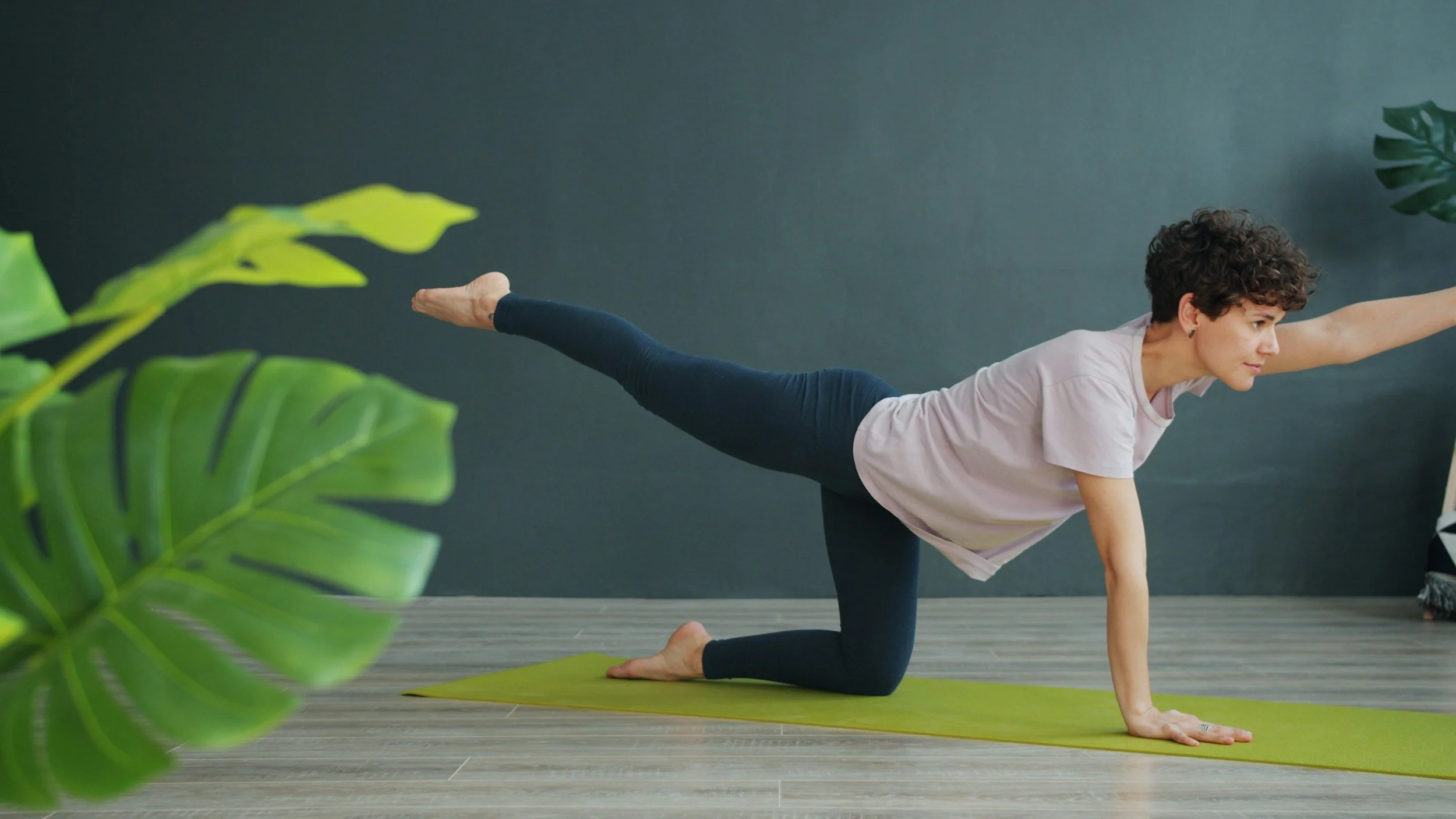
Another useful exercise is the bird dog movement. In this exercise, a person balances on hands and knees while extending one arm and the opposite leg. The body must stabilize the spine while the limbs move, which encourages coordination between core muscles.
The dead bug exercise provides another effective option. This movement involves lying on the back while slowly lowering opposite arms and legs. The goal is to maintain spine stability throughout the motion.
Glute bridge exercises strengthen the muscles of the hips and pelvis. These muscles play an important role in supporting the lower spine.
Each of these exercises encourages the body to stabilize the spine during movement.
Proper form is essential. Movements should be slow and controlled so that the core muscles keep engaged.
Breathing and Core Stability
Breathing patterns influence core stability more than many people realize.
The diaphragm, which sits beneath the lungs, works closely with abdominal muscles and the pelvic floor to create internal pressure that supports the spine.
When breathing is shallow and restricted to the chest, this support system may not function as effectively.
Deep breathing encourages the diaphragm to move downward, allowing the abdominal muscles to engage more naturally. This coordinated movement helps create a stable environment for the spine.
Practicing slow, controlled breathing during exercise can improve core activation.
Many rehabilitation and physical therapy programs include breathing techniques as part of core training for this reason.
Balance Training and Core Engagement
Balance exercises provide another effective way to strengthen the core.
When the body tries to maintain balance, stabilizing muscles activate automatically. The core plays a central role in this process.
Standing on one leg provides a simple example. As the body tries to remain upright, muscles throughout the core and hips engage to avoid tipping or leaning.
Activities such as yoga, tai chi, and stability exercises challenge the body's balance systems in different ways.
These activities promote coordination between muscles and the nervous system, thus improving posture and stability.
The Role of Chiropractic Care in Supporting Posture and Core Function
Exercise delivers valuable support for spinal health, but spinal alignment also plays an important role.
Upper cervical chiropractic care focuses on the alignment of the upper portion of the spine, which has a close relationship with the nervous system.
When alignment in this area is balanced, the body may be better able to maintain proper posture and muscle coordination.
Many patients find that improving spinal alignment allows them to move more comfortably during exercise and daily activities.
Combining chiropractic care with regular physical activity and core strengthening can help create a well-rounded approach to spinal health.
Building Core Strength Over Time
Improving core strength does not require intense workouts or dramatic lifestyle changes.
Consistency is far more important than intensity.
Simple exercises performed several times each week can gradually strengthen the muscles that support the spine.
Walking, gentle strength training, balance exercises, and mobility work all help form a healthy core.
As these muscles grow stronger, many people notice improvements in posture, stability, and comfort.
Over time, these improvements can help reduce the likelihood of recurring back pain.
A Strong Core Supports a Healthy Spine
The core acts as the body's natural support system for the spine. When these muscles function well, they help stabilize movement, maintain posture, and reduce stress on the back's joints.
Weak core muscles can allow posture to collapse and may contribute to tension in the neck, shoulders, and lower back.
Strengthening the core helps restore balance to the body.
Through regular movement, proper breathing, and attention to posture, individuals can develop stronger support for the spine.
When combined with professional spinal care, these habits create a powerful groundwork for long-term health and mobility.
During National Physical Fitness and Sports Month, it is worth remembering that exercise is not only about fitness goals or athletic performance. Movement plays an important role in protecting the structures that support the nervous system and allow the body to function at its best.
Taking time to strengthen the core is one of the most effective ways to support posture, reduce back strain, and keep the spine working as it should.