How a Balanced Diet Fuels Your Spine Health

Your Spine Is Living Tissue — And It Needs Fuel
When most people think about their spine, they picture bones. Solid. Structural. Fixed.
But your spine is anything but static.
Between each vertebra sits a disc that absorbs pressure. Surrounding those discs are ligaments, connective tissue, muscles, nerves, and blood vessels. All of it is alive. All of it is constantly adapting to how you move, how you sit, how you sleep — and yes, how you eat.
Your spine isn’t just holding you upright. It’s repairing itself daily. It’s responding to stress. It’s adjusting to gravity, movement, and posture. And like every living system in your body, it depends on nourishment.
March is National Nutrition Month, and it gives us a great opportunity to zoom out and ask a bigger question: not “What diet should I try?” but “How am I fueling the tissues that support me every day?”
Food doesn’t just affect weight or energy. It influences inflammation, muscle tone, neural transmission, hydration levels, and recovery capacity. When someone is dealing with chronic neck tension, disc discomfort, or recurring stiffness, nutrition is often part of the bigger picture — even if it hasn’t been discussed before.
This isn’t about stiff rules or eliminating everything you enjoy. It’s having an understanding that what you consistently give your body either supports healing or makes healing harder.
Your spine depends on more than adjustments and stretching. It depends on steady, reliable fuel.
Your spine isn’t just a structure; it’s living tissue that responds to what you feed it.
What Your Spine Actually Needs to Stay Strong
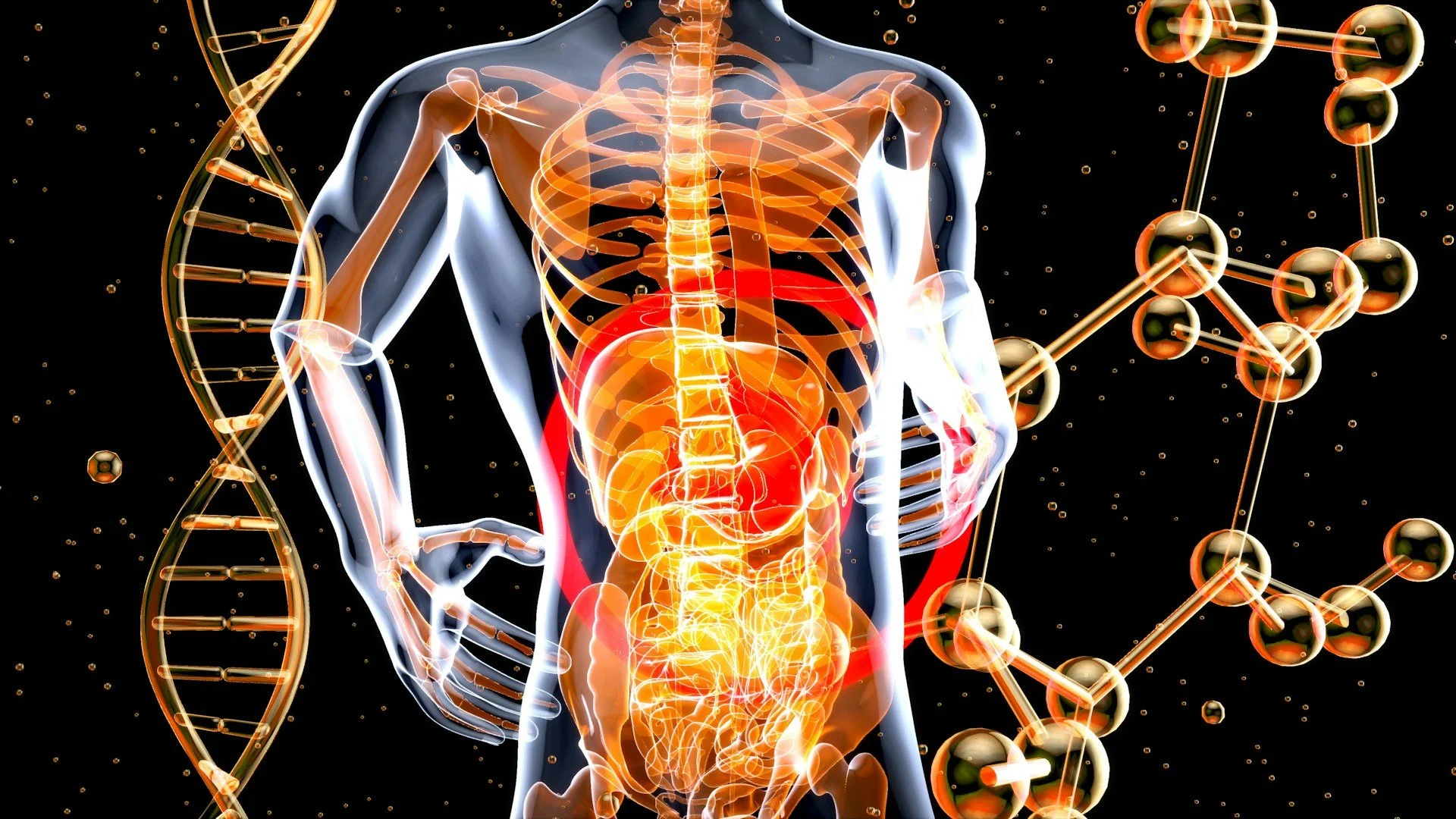
Let’s talk about what’s happening below the surface.
Spinal discs are made up largely of water and specialized connective tissue. They act like cushions, absorbing pressure when you walk, bend, lift, or sit. To maintain resilience, those discs rely on proper hydration and nutrient exchange. Unlike muscles, they don’t have a direct blood supply — which means they depend heavily on circulation and the nutrients available in surrounding tissues.
That means hydration matters. But so does protein intake. So do micronutrients that support collagen production — the very fibers that help discs and ligaments stay strong and flexible.
Muscles surrounding the spine also require consistent amino acids to repair small amounts of wear and tear that happen during daily movement. Without adequate protein and nutrient support, recovery slows. Tension lingers longer. Fatigue sets in faster.
Nerves, too, require specific nutrients to transmit signals properly. When nutrient intake is inconsistent, neural transmission can become less efficient, which may contribute to muscle guarding or increased sensitivity.
None of this happens overnight. It’s gradual. Subtle. Easy to miss.
Someone might say, “My neck just feels tight all the time,” or “My back never fully loosens up.” Sometimes that tension isn’t just about posture. It’s about the body functioning with limited building materials.
Your spine doesn’t demand perfection — but it does benefit from consistency. Regular hydration. Adequate protein. Nutrient-dense foods that support tissue repair instead of constantly increasing inflammatory load.
It’s about real nourishment showing up regularly enough that your body can rely on it.
Healing depends on what you provide consistently, not just what you correct.
Inflammation and the Spine: The Quiet Influence of Diet

Inflammation gets a lot of attention these days, but it’s often discussed in extremes. The reality is more practical. Inflammation is part of healing. It’s not the enemy. The problem arises when the body stays in a low-grade inflammatory state for long periods of time.
Chronic inflammation can amplify pain signals. It can increase tissue sensitivity. It can slow recovery from minor strains that otherwise might resolve quickly.
Diet plays a quiet but powerful role here.
Highly processed foods, excessive refined sugars, and inconsistent eating patterns can increase systemic stress. That doesn’t mean you can never enjoy them. It means that when they dominate the diet, the body may remain in a slightly elevated inflammatory state. For someone already dealing with spinal discomfort, that background stress can make symptoms feel heavier.
On the other hand, balanced meals that include whole foods — vegetables, fruits, lean meats, healthy fats, and complex carbohydrates — tend to support a steadier inflammatory response. The body doesn’t have to work as hard to regulate blood sugar or manage oxidative stress. Energy stays more stable. Recovery becomes more efficient.
There’s something motivating about that.
Nutrition helps prevent disease, weight loss, and creates an internal environment where tissues can repair and nerves can communicate clearly.
At The Upper Cervical Clinic, we often remind patients that alignment reduces structural strain, but nourishment reduces internal strain. Both matter. Both work together.
When the internal environment is calmer, the spine usually feels calmer too.
Blood Sugar Stability and Pain Sensitivity
There’s a connection many people don’t realize: unstable blood sugar can affect how pain feels in the body.
When blood sugar rises and falls sharply throughout the day — often from skipped meals, heavy refined carbohydrates, or long stretches without food — energy tends to follow the same pattern. You might feel sharp and focused mid-morning, then foggy and fatigued by mid-afternoon. That crash doesn’t just affect your mood. It affects posture, muscle tone, and stamina.
When energy dips, posture often collapses. Shoulders round forward. The head drifts out in front of the body. Muscles that were already working hard now have to work harder to keep you upright. Over time, that added effort shows up as tightness, strain, or recurring discomfort.
There’s also a nervous system component. Rapid swings in blood sugar can increase irritability, stress hormones, and systemic tension. When cortisol rises, muscle guarding often increases. That guarding makes existing spinal tension appear more acute. Pain sensitivity may increase — not because something is “wrong,” but because the system is under stress.
Stable blood sugar, on the other hand, creates a steadier internal environment. Balanced meals that include protein, fiber, and healthy fats tend to slow digestion and provide more even energy. When energy is stable, posture fatigue decreases. Movement feels less effortful. The nervous system has fewer reasons to shift into stress mode.
This doesn’t require perfection. It doesn’t require eliminating entire food groups. It simply means giving your body a steady supply of fuel so it doesn’t have to react defensively throughout the day.
When energy is steady, the spine generally feels steadier too.
Consistent fuel supports consistent posture — and consistent posture reduces strain.
Hydration and Spinal Disc Health

Hydration deserves more attention than it usually gets, especially when we’re talking about spinal health.
Spinal discs are often described as cushions, but a better way to think of them is as pressure-absorbing sponges. The inner portion of each disc contains a gel-like material that relies heavily on water content needed to maintain flexibility and shock absorption. When adequately hydrated, discs are better able to distribute load evenly through the spine.
When hydration drops, even mildly, those discs can lose some of their elasticity. They don’t collapse overnight, but they may not rebound as efficiently after long periods of sitting or standing. That subtle loss of resilience can contribute to stiffness or a feeling that the back “takes longer to loosen up.”
Hydration also influences muscle performance. Muscles surrounding the spine rely on fluid balance for proper contraction and relaxation. Dehydration can increase muscle fatigue and cramping, which may amplify discomfort in the neck and lower back.
There’s another layer here: many people spend large portions of their day sitting. Movement helps spinal discs exchange nutrients and fluids. When sitting is prolonged, and hydration is low, discs receive less of the nourishment they depend on.
The solution isn’t to dramatically increase water intake overnight. It’s to build steady hydration into your day. Small, consistent intake supports circulation and tissue resilience far more effectively than occasional large amounts.
Think of hydration as maintenance. Quiet. Simple. Foundational.
The spine absorbs pressure all day long. Hydration helps it rebound.
When hydration, stable nutrition, and alignment work together, the spine doesn’t have to struggle as much. It has what it needs to respond, adapt, and recover.
Gut Health and Nervous System Balance
If the spine is living tissue and nutrition fuels that tissue, then digestion becomes part of the conversation, whether we realize it or not.
Your gut doesn’t just process food. It communicates constantly with your brain through the vagus nerve — one of the primary highways between the digestive system and the nervous system. This means what happens in digestion doesn’t stay in digestion. It impacts mood, inflammation levels, immune response, and even muscle tension.
When digestion feels unwell—frequent bloating, irregularity, or discomfort after meals—the nervous system often reflects that stress. The body may become more reactive. Sleep can be disrupted. Inflammation may rise. Over time, this background stress can make spinal discomfort feel heavier.
Chronic stress also affects digestion in the opposite direction. When the nervous system stays in a fight-or-flight state, blood flow shifts away from the digestive tract. Nutrient digestion may become less efficient. Even when someone is eating well, the body may not entirely utilize what’s being consumed.
This is one reason extreme diets regularly backfire. When food becomes restrictive or stressful, digestion can suffer. And when digestion suffers, recovery slows.
Supporting gut health doesn’t require dramatic protocols. It often begins with regular meals, adequate fiber from whole foods, sufficient hydration, and stress management. When digestion feels calmer and more predictable, the nervous system tends to follow suit.
A regulated nervous system allows muscles to relax more fully. It allows inflammation to settle. It allows tissues — including those surrounding the spine — to receive the nutrients they need more efficiently.
Everything is connected. Digestion. Neural transmission. Inflammation. Muscle tone. Posture.
A calmer gut often supports a calmer spine.
Upper Cervical Care and Nutritional Support — Working Together

Nutrition provides the building materials. Alignment helps the body use them well.
The focus of upper cervical chiropractic care is on restoring proper alignment at the top of the spine, where the brainstem communicates with the rest of the body. When this area is functioning properly, nerve signals travel more efficiently. Muscles don’t have to guard as aggressively. The body doesn’t expend unnecessary energy stabilizing itself.
That efficiency matters.
When the nervous system isn’t constantly compensating, recovery improves. Sleep may deepen. Inflammation may decrease more readily. Muscles surrounding the spine can relax and respond more normally. In that environment, the nutrients you’re consuming have a greater opportunity to support tissue repair.
Think of it this way: nutrition lays the foundation. Alignment secures that the structure built on that foundation is stable.
Without adequate nourishment, tissues struggle to repair. Without proper alignment, tissues may remain under strain. Together, they build a more supportive internal environment.
Patients often notice that when their alignment improves, they feel more able to maintain healthier habits. Energy becomes steadier. Movement feels less intimidating. Small improvements compound.
It’s not dramatic. It’s steady.
Nourishment supports healing. Alignment assists function. Together, they support resilience.
This is the heart of National Nutrition Month for us — not a new diet, not a reset, not a quick fix. Just a reminder that the body responds best to stability. Balanced fuel. Regular hydration. Gentle movement. Supported alignment.
Practical, Sustainable Nutrition Shifts for Spine Health

When it comes to fueling your spine, the goal isn’t perfection. It isn’t eliminating every indulgence or following a fixed plan. It’s building patterns that your body can rely on.
Sustainable nutrition starts with rhythm. Eating consistently throughout the day supports steady energy, stable blood sugar, and balanced muscle tone. Skipping meals or relying on quick, processed options occasionally isn’t the issue — it’s when inconsistency becomes the norm that the nervous system begins to feel it.
Hydration is another quiet anchor. Keeping water nearby and sipping regularly supports disc resilience as well as muscle performance. You don’t need a complicated formula — just steady intake that becomes part of your daily routine.
Protein deserves attention as well. Because spinal muscles and connective tissues are always adapting, they benefit from reliable building blocks. Including a protein source in meals helps support repair and stability, especially for those working to reduce discomfort or improve posture.
Beyond that, think in terms of addition rather than subtraction. Adding more vegetables, more whole foods, more color to your plate often naturally shifts the overall balance. When nourishment increases, the body often craves fewer extremes.
There’s also value in reducing the stress around food. When eating becomes less of a combat zone, digestion improves. When digestion improves, nutrient absorption improves. And as nutrient absorption improves, tissue resilience follows.
None of these shifts requires dramatic change. They require steadiness.
At The Upper Cervical Clinic, we view nutrition the same way we view alignment — not as something to obsess over, but something to support gently and consistently. Small improvements, sustained over time, often result in meaningful changes in comfort and function.
Your spine responds to what you give it day after day.
National Nutrition Month isn’t about a reset. It’s about awareness. It’s a signal that your body is steadily adapting — and that what you feed it influences how well it adapts.
If you’ve been dealing with persistent neck tension, recurring stiffness, or discomfort that doesn’t completely resolve, nutrition may be one piece of the puzzle. Alignment may be another. When both are supported, the body usually feels better able to heal and stay balanced.
Whenever you’re ready to explore how spinal alignment and daily habits may be working together in your health, we’re here to help.
Steady fuel. Supported alignment. A spine that feels resilient instead of strained.