Weight Management as a Path to Chronic Pain Reduction

Weight, Pain, and the Missing Conversation
We often think of weight management as a personal goal, something tied to appearance, discipline, or numbers on a scale. But for many people living with chronic pain, weight management isn't about looks at all. It's about comfort and staying active, doing the things they like. It's about wanting to move through daily life with less strain and more ease.
What's rarely acknowledged is how closely weight and chronic pain are connected — not in a judgmental way, but in a functional one. Ongoing discomfort can limit movement, reduce energy, and make even gentle activity feel intimidating. Over time, this can influence weight in subtle ways, which may then place additional stress on joints, muscles, and the spine. The cycle often feeds itself quietly.
At The Upper Cervical Clinic, we often see this pattern. Patients come in feeling stuck — wanting to feel better, wanting to move more, but feeling held back by pain or fatigue. They're not lacking motivation. Their bodies simply don't feel supported enough yet.
This is where the conversation needs to shift.
Weight management, when approached with care and compassion, can be a path toward pain reduction rather than a punishment or demand. It's about helping the body function more efficiently so movement feels safer, recovery feels possible, and daily activities don't take so much effort.
When the body feels supported — structurally and neurologically — healthier patterns often follow naturally. Comfort improves. Confidence grows. Movement becomes less intimidating. And with that, balance becomes more attainable.
When pain decreases, the body often becomes more willing to move — and movement supports healing.
Understanding the Pain–Weight Connection (Without Blame)

It's important to say this clearly: chronic pain is not caused by a lack of willpower, and weight challenges are not a moral failing. The relationship between weight and pain is complex, and it deserves to be discussed with nuance and respect.
From a mechanical perspective, the body responds to load. Extra weight — even modest amounts — can increase stress on joints, muscles, and the spine, particularly in areas already under strain. Over time, this added demand may contribute to discomfort in the neck, back, hips, knees, or feet. But this is only one part of the picture.
Pain itself changes how people move. When something hurts, the body adapts to protect itself. Our posture shifts and our gait changes, and some movements are avoided altogether. While compensations may reduce pain in the short term, they can increase strain elsewhere, creating new areas of discomfort.
In addition, chronic pain is often accompanied by low-grade inflammation, which can heighten pain sensitivity and slow recovery. Inflammatory stress affects not just joints and muscles but also energy levels and mood, making activity feel more exhausting than it should.
What's often overlooked is how emotional stress and physical stress overlap. Living with pain can be discouraging. It can affect sleep, motivation, and confidence. Over time, this emotional load may influence eating patterns, activity levels, and self-trust — all without conscious intent.
None of this is about fault. It's about understanding the system.
Pain is not a personal failure — it's information about what the body is experiencing.
When weight and pain are approached together — thoughtfully and without judgment — it becomes easier to break the cycle. The goal isn't perfection. It's progress that feels sustainable and kind to the body.
The Nervous System's Role in Weight, Pain, and Healing
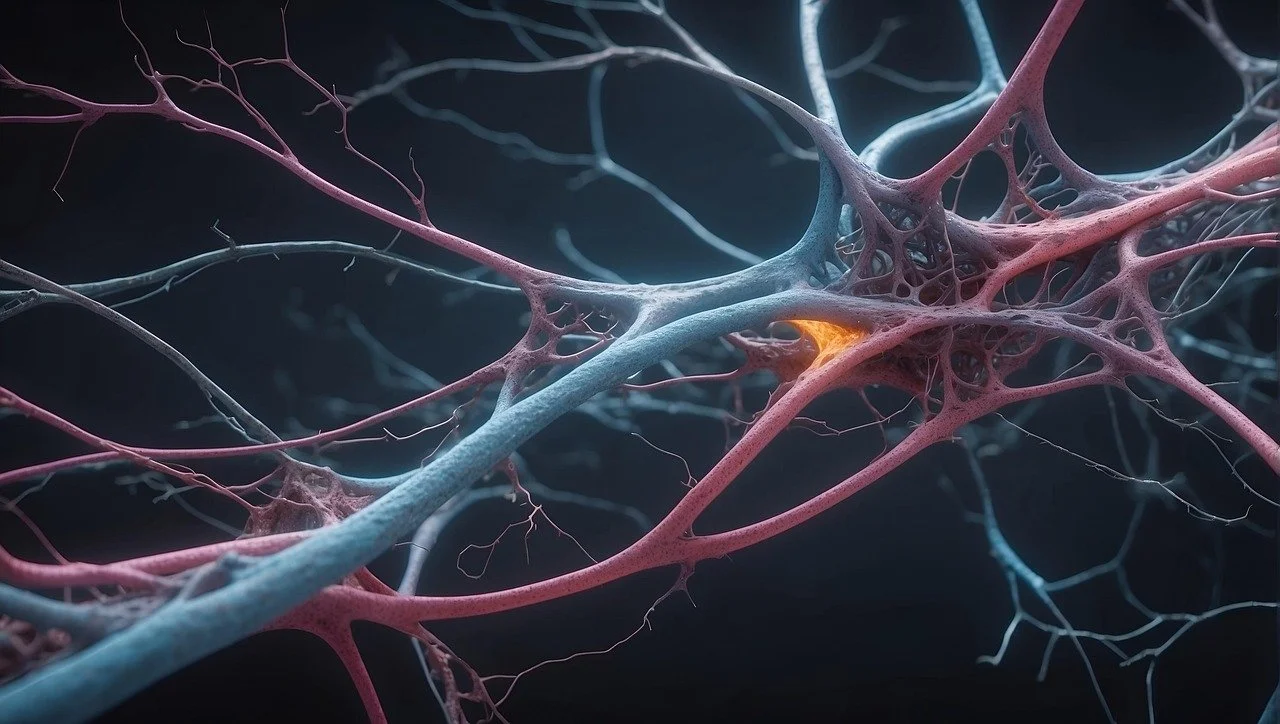
One of the most important — and least discussed — connections between weight and chronic pain is the nervous system.
When pain is present, especially for long periods of time, the nervous system often shifts into a protective state. Muscles tighten. Sensitivity increases. The body becomes more alert, even at rest. This response is meant to keep you safe, but when it stays active too long, it can interfere with healing.
Chronic pain places an ongoing demand on the nervous system. Stress hormones may remain elevated. Sleep quality can suffer. Energy becomes inconsistent. In this state, the body prioritizes survival over balance, making weight regulation, motivation for movement, and recovery more difficult.
This is why "trying harder" often doesn't work.
When the nervous system feels overloaded, asking the body to move more or change patterns can feel overwhelming. Even healthy activities may trigger discomfort or fatigue. Over time, this can lead to frustration and a sense that the body is working against you.
Upper cervical care focuses on supporting nervous system balance by improving alignment at the top of the spine, where the brainstem communicates with the rest of the body. When this area is functioning well, nerve signals are clearer, muscle tone can normalize, and the body may shift out of constant protection mode.
As the nervous system becomes more regulated, several things often change naturally. Pain sensitivity may decrease. Sleep may improve. Energy becomes more stable. Movement feels less threatening. These shifts create an environment where weight management becomes more achievable — not through force, but through support.
Weight management becomes more sustainable when the nervous system no longer feels like it's fighting for survival.
By addressing nervous system stress alongside physical strain, we create space for healing. From there, movement, nourishment, and balance have a chance to take root — at a pace the body can actually maintain.
How Spinal Alignment Influences Movement and Comfort

Movement is one of the most important tools for maintaining a healthy weight and reducing chronic pain — but only when the body feels supported enough to move well. When spinal alignment is compromised, even simple movements can feel harder than they should, and over time, the body learns to avoid them.
Misalignment in the spine often leads to uneven muscle tension and altered posture. Muscles on one side of the body may work harder to stabilize the spine, while others become inhibited. This imbalance can limit our range of motion, affect balance, and increase the likelihood of discomfort during everyday activities like walking, bending, or standing for long periods.
The upper cervical spine plays a particularly important role because this region influences head position, posture, and overall balance; even subtle misalignments can change how the rest of the body organizes itself. When the head shifts forward or tilts slightly, the body compensates by adjusting the shoulders, hips, and how we walk. These adjustments may reduce strain in the short term, but they often increase effort and fatigue over time.
For someone already living with chronic pain, these compensations can make movement feel unsafe or unpredictable. Exercise may trigger flare-ups. Walking may feel uneven. Even gentle activity can seem exhausting. This is not a lack of desire to move — it's the body signaling that something doesn't feel stable.
When alignment improves, movement often feels different. Posture becomes easier to maintain without conscious effort. Muscles don't have to brace as aggressively. Balance improves. As a result, people often find they can move more easily with less discomfort and pain.
When movement feels safer and more comfortable, people are more likely to stay active in consistent, low-stress ways. Over time, this consistent change supports metabolism, joint health, and overall well-being, without forcing the body beyond its limits.
The body moves best when it feels balanced, not braced.
Weight Management Through Supportive Movement — Not Punishment

For many people, movement has become associated with discomfort, obligation, or failure. When pain is present, exercise can feel like something to endure rather than enjoy. This mindset often leads to cycles of overdoing it, flaring up, resting too long, and starting over again — a pattern that can be discouraging and exhausting.
Supportive movement takes a different approach. Instead of asking, "How hard can I push?" it asks, "What kind of movement does my body tolerate well right now?" The goal is not to burn calories aggressively, but to rebuild trust with the body.
For people trying to manage chronic pain, low-impact, joint-friendly movement is the most sustainable. Walking, gentle swimming, movement exercises, light strength work, and controlled stretching all support circulation, muscle balance, and nervous system regulation without overwhelming already sensitive tissues and muscles.
The intensity of the movement is far less important than consistency in the movement. A short walk done regularly is often more beneficial than a strenuous workout done sporadically. When movement feels achievable, it's easier to repeat — and repetition is what creates lasting change.
Movement also plays an important role in mood and motivation. Gentle activity helps regulate stress hormones, improve sleep quality, and support emotional well-being. These effects can indirectly influence weight management by improving energy levels and reducing the emotional toll that pain often creates.
Importantly, supportive movement respects pain signals. Discomfort is not something to ignore or push through. Pain is information. Learning to respond to it — rather than override it — helps prevent setbacks and builds a healthier relationship with movement over time.
As spinal alignment and nervous system balance improve, many patients find that their capacity for movement naturally increases. Activities that once felt intimidating begin to feel manageable. Energy improves. Confidence grows. From there, weight management becomes less about control and more about participation in daily life.
The best movement plan is the one your body feels safe repeating.
Nutrition as a Support Tool — Not a Battleground

When weight management is discussed alongside chronic pain, nutrition can quickly become a source of stress. Many people have a long history of restrictive diets, conflicting advice, or feeling like they've "failed" at eating the right way. For someone already dealing with pain, this pressure often makes things worse — not better.
From a healing perspective, nutrition works best when it supports the body instead of fighting it.
Chronic pain places additional demands on the nervous system and the body's tissues. Muscles, joints, and connective tissue all rely on adequate nutrients and hydration to repair, regulate inflammation, and maintain energy. When nutrition becomes inconsistent or overly restrictive, recovery can slow, fatigue can increase, and pain sensitivity may rise.
Stress also plays a role. Ongoing discomfort can influence appetite, cravings, and eating patterns — not because of a lack of discipline, but because the body is seeking stability. Elevated stress hormones are known to affect hunger cues and energy regulation, which can complicate weight management even further.
This is why a supportive approach matters.
Rather than focusing on what to eliminate, many patients benefit from shifting attention toward nourishment — choosing foods that help the body feel steadier, more energized, and less inflamed. Adequate hydration supports joint and spinal health. Consistent protein intake supports muscle strength and repair. Whole, minimally processed foods often provide more stable energy throughout the day, which can make movement feel more manageable.
Consistency matters far more than perfection. Eating in a way that supports healing most days — without guilt or rigid rules — creates a calmer relationship with food and reduces additional stress on the nervous system. When nutrition feels supportive instead of confrontational, the body is better able to respond.
Food should help your body heal, not make it feel like it's under attack.
In the context of chronic pain and weight management, nutrition is not a solution on its own. But when used as a support tool, it can play a meaningful role in improving energy, recovery, and overall comfort — especially when paired with nervous system–focused care.
Upper Cervical Chiropractic Care as a Partner in Pain Reduction and Weight Balance

Upper cervical chiropractic care is not a weight loss program — and it doesn't need to be. Its value lies in its support for the body's ability to move, recover, and regulate itself more efficiently.
By focusing on precise alignment at the top of the spine, upper cervical care helps reduce interference in the communication between the brain and the rest of the body. When this communication improves, the nervous system often becomes less reactive. Muscle guarding decreases. Posture stabilizes. Balance improves.
For patients living with chronic pain, these changes can be significant.
When pain levels decrease and movement feels safer, people are naturally more inclined to stay active. Activities that once felt intimidating — walking longer distances, standing more comfortably, engaging in gentle exercise — begin to feel possible again. This increase in activity doesn't come from force or motivation alone; it comes from the body feeling supported.
Upper cervical care can also influence recovery. When the nervous system is better regulated, sleep quality may improve, and inflammation may be better managed. These shifts support energy levels and resilience, which are essential for maintaining consistent movement and balanced habits over time.
Many patients report that, with consistent care, they feel more capable of participating in daily life. Not necessarily by doing more — but by doing what they already do with less effort and discomfort. That ease matters.
When the body isn't fighting to stabilize itself, healthier patterns often follow naturally.
This is why upper cervical chiropractic care works best as a partner in weight management and pain reduction — not as a stand-alone solution, but as part of a broader, compassionate approach to supporting the whole person.