How Self-Care Supports Your Spine and Nervous System

Self-Care Is More Than a Treat — It's Nervous System Support
Self-care is often talked about as something extra. A reward. A break you earn once everything else is done. But the truth is, self-care isn't indulgent; it's foundational. And during National Self-Care Month, it's worth reframing what self-care really means for your body.
At its core, self-care is about helping your nervous system function the way it was designed to. It's about creating conditions where your body doesn't have to constantly brace, compensate, or stay on high alert just to get through the day. When self-care works, you don't just feel temporarily relaxed, you feel steadier, clearer, and more resilient.
Many people do "self-care" regularly and still feel exhausted, tense, or overwhelmed. That's because most popular self-care approaches focus on surface-level relief rather than addressing what's happening underneath. If your nervous system is overloaded, stressed, or stuck in protection mode, a quiet moment might feel nice, but it doesn't last.
This is where spinal health enters the conversation.
Your spine isn't just a structural support system. It protects and houses your central nervous system — the communication network that regulates everything from muscle tone and posture to stress response, sleep quality, and emotional regulation. When the spine is under strain, the nervous system has to work harder to keep you upright, balanced, and functioning.
True self-care supports this system. It helps the body feel safe enough to relax, restore, and repair. And when the nervous system feels supported, everything else — movement, energy, focus, and emotional steadiness — becomes easier.
Self-care works best when it helps your body feel supported, not just distracted.
Your Nervous System: The Missing Link in Most Self-Care Conversations

The nervous system is constantly gathering information from your environment and your body. It decides what needs attention, what feels safe, and how much energy to allocate to each task. Ideally, this system shifts smoothly between activity and recovery.
Unfortunately, many people stay stuck in a low-grade stress response for years without realizing it.
This chronic condition may appear as muscle tension that never fully releases, headaches that come and go, sleep that doesn't feel restorative, digestive discomfort, or a sense of being emotionally reactive or easily drained. These are often signs that the nervous system is working overtime.
According to research, recovery often depends less on effort and more on regulation. The body prioritizes protection over healing when the nervous system remains in a heightened state, leading to continued muscle tightness and elevated stress hormones. Even well-intentioned self-care practices do not provide lasting relief and often lead to frustration and increased stress.
They stretch, rest, meditate, or take time off — yet tension and fatigue return quickly. It's not because they're doing something wrong. It's because the system responsible for recovery hasn't been given the support it needs.
The spine plays a critical role here. It serves as the physical interface for the nervous system. When spinal alignment is compromised, nerve signals can become distorted or inefficient. When this happens, the body compensates by increasing muscle tone and alertness, which is a survival strategy that becomes exhausting over time.
Self-care that doesn't consider the nervous system often misses the mark. When care includes support regulation, however, the body can finally shift out of constant defense and into repair.
The Spine's Role in Self-Care: Why Alignment Matters More Than You Think
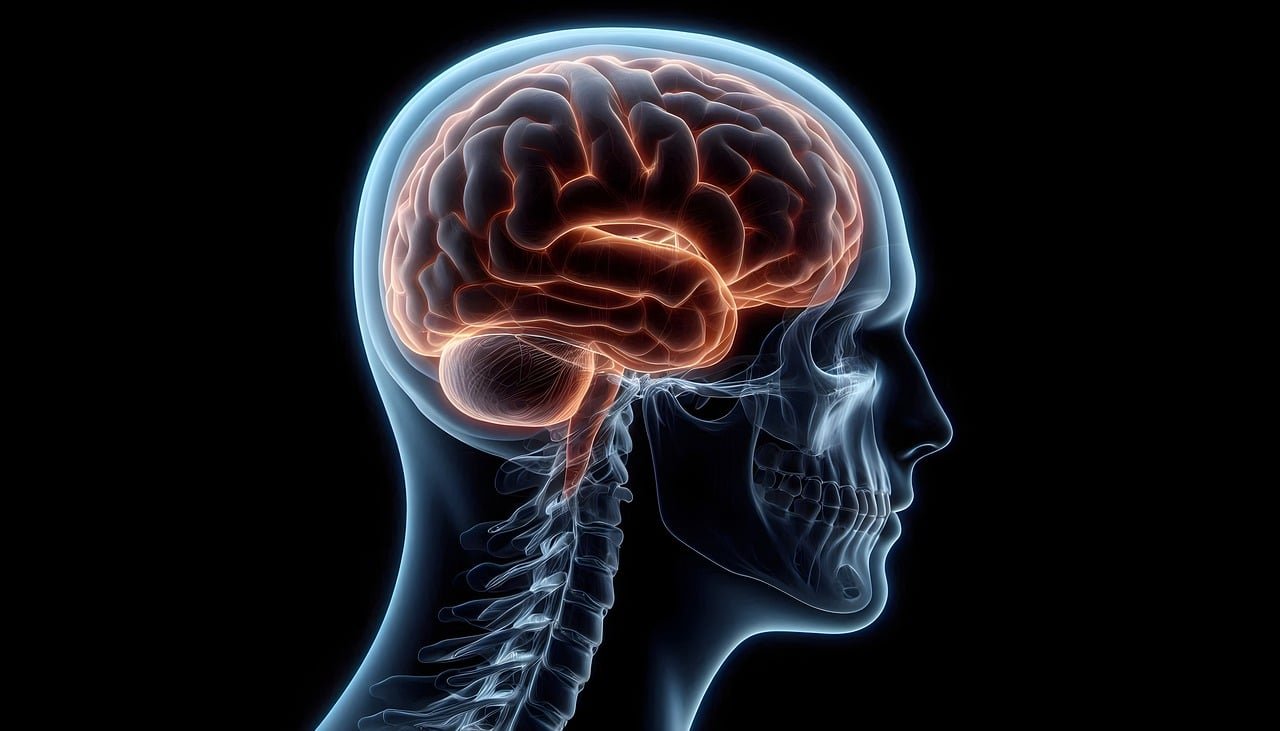
The spine does far more than hold you upright. It protects the spinal cord and supports the flow of information between your brain and body. Every movement, sensation, and stress response depends on this communication pathway working smoothly.
The upper cervical spine is especially important. This region surrounds the brainstem, which helps regulate vital functions like heart rate, breathing patterns, muscle tone, and stress response. Even small misalignments here can create a ripple effect throughout the nervous system.
When alignment is off, the body adapts. Muscles tighten to stabilize posture. Movement becomes less fluid. The nervous system stays more alert than necessary. These compensations are not failures — they're signs that your body is doing its best to protect itself.
But protection requires energy.
Over time, constant compensation can leave people feeling worn down, tense, and emotionally on edge. They may not experience sharp pain, but they often describe feeling "off," restless, or unable to fully relax. This is one reason self-care sometimes feels ineffective. The body is still working too hard behind the scenes.
Alignment-focused care reduces the need for this constant compensation. When the spine is balanced, the nervous system receives clearer signals. Muscles don't have to guard as aggressively. Posture becomes easier to maintain without effort. This allows the body to work on restoring rather than just stabilizing.
This is why spinal alignment is not only about pain relief. It's about supporting the systems that allow self-care to actually work. When the spine supports the nervous system, self-care becomes more than a momentary escape. It becomes a sustainable source of resilience.
Self-care that supports alignment reduces the body's need to stay on alert.
When Self-Care Doesn't Work: Signs Your Nervous System Is Still Overloaded

One of the most discouraging experiences for patients is doing all the "right" things and still not feeling better. They rest. They stretch. They try to slow down. Yet tension returns quickly, sleep still feels light, and stress tolerance continues to shrink. Over time, this can lead people to believe their body is broken or that self-care simply doesn't work for them.
In reality, these experiences are often signs that the nervous system is still overloaded.
When the nervous system remains in a protective state, it prioritizes vigilance over restoration. Muscles never really fully relax, and posture remains guarded. Even moments of rest can feel restless rather than refreshing. This is why someone can take time off or lie down and still feel wired, uncomfortable, or unable to relax fully.
A common signal is when relief is short-lived. Stretching may help briefly, but tightness returns within minutes or hours. Massage may feel good in the moment, yet soreness creeps back quickly. You may get sleep, but wake up with stiffness or fatigue. Emotionally, people may notice increased irritability, sensitivity to noise or stress, or a sense that small challenges feel overwhelming.
These are not personal shortcomings. They are indicators that the nervous system has learned to stay on guard, often because the body has been compensating for underlying strain for a long time. The system hasn't forgotten how to relax; it simply doesn't feel safe enough to do so consistently.
Self-care practices are most effective when they meet the body where it is. If the nervous system is overwhelmed, asking it to "just relax" can feel like asking someone to sleep in a room where the lights are still on, and alarms are going off. It's hard to recover when the underlying stress signals are still going off.
This is why supportive care matters. When the nervous system is given the right kind of input — calm, clarity, and structural balance — it can finally shift out of protection mode. At that point, self-care no longer feels like an effort. It begins to feel restorative again.
When the nervous system feels supported, relief stops being temporary.
Self-Care That Regulates the Nervous System
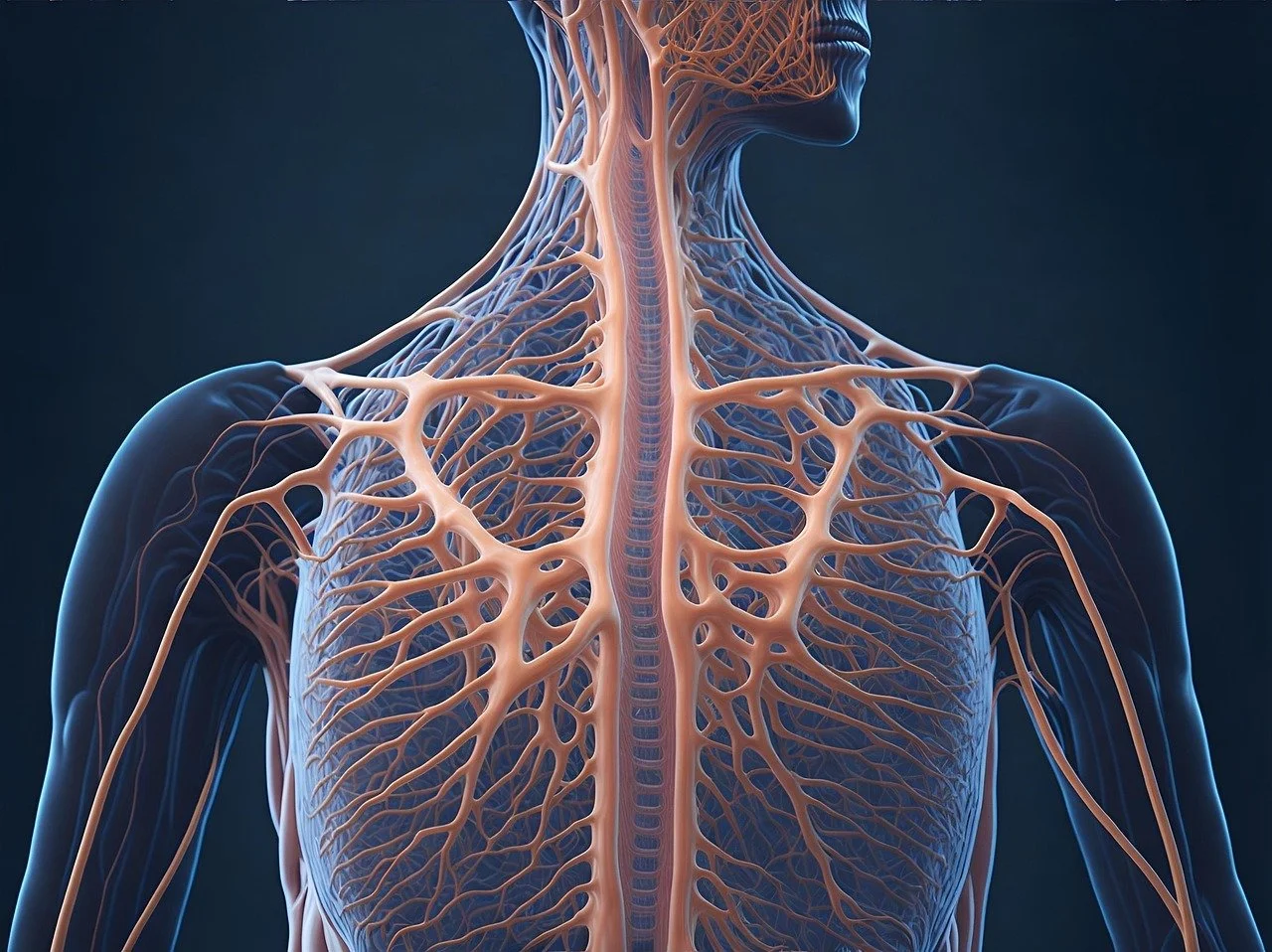
Not all self-care has the same impact on the body. Some forms provide distraction or temporary comfort. Others help the nervous system regulate — meaning they support balance, adaptability, and long-term resilience. Understanding this difference is key to making self-care truly effective.
Relaxation-based self-care often focuses on escaping stress for a moment. This can be helpful, especially in the short term. But if the body returns immediately to tension once the moment passes, the nervous system hasn't actually changed its baseline. Regulation-based self-care, on the other hand, helps shift that baseline by reducing the need for constant compensation and alertness.
Regulating self-care doesn't require doing more. It requires doing things that help the body feel supported rather than pushed.
Gentle movement that doesn't strain already-tight muscles.
Environments that allow the spine to stay upright without effort.
Care that improves communication between the brain and body instead of forcing the body to override discomfort.
This is where structural support becomes essential. If posture is strained or alignment is compromised, even calming practices can feel incomplete. The body may enjoy a quiet moment, but it still has to work hard to stay balanced afterward. Over time, this creates a sense that self-care is never enough.
When alignment improves, something shifts. The nervous system no longer needs to rely on excess muscle tension to stabilize the body. Posture feels more natural. Breathing becomes easier without conscious effort. Stress signals quiet more quickly. In this state, self-care practices tend to last longer because the body isn't immediately pulled back into protection mode.
This is why true self-care isn't about piling on more techniques. It's about choosing support that allows the nervous system to do what it already knows how to do — regulate, recover, and adapt. Once that foundation is in place, other forms of self-care become more effective, not more demanding.
The nervous system heals best when it feels supported, not forced.
As we move through National Self-Care Month, this perspective offers a powerful shift. Self-care doesn't have to be another task on your list. When it supports your spine and nervous system, it becomes part of how your body sustains itself — quietly, consistently, and with far less effort.
Upper Cervical Chiropractic as a Foundation for Self-Care

When self-care is framed as nervous system support, upper cervical chiropractic care fits naturally into the conversation. It isn't an add-on or a last resort — it's foundational care that helps the body function the way it was designed to.
Upper cervical chiropractic focuses on the precise alignment of the top two bones of the spine, which surround and protect the brainstem. Because the brainstem plays a key role in regulating posture, muscle tone, the stress response, and many automatic body functions, even subtle misalignments in this region can place additional demands on the nervous system.
When alignment is compromised, the body compensates. Muscles tighten to stabilize the head and neck. Posture shifts to protect sensitive structures. The nervous system increases alertness to maintain balance and coordination. These adaptations are intelligent, but they require energy — often more than people realize.
Upper cervical care is designed to reduce the need for that constant compensation. By gently restoring alignment, the nervous system receives clearer signals and no longer has to work as hard to keep the body upright and stable. Many patients describe this shift not as a dramatic change but as a sense of ease — as if their body can finally let go of something it's been holding on to.
From a self-care perspective, this matters deeply. When the nervous system is supported structurally, other forms of self-care tend to work better. Rest feels more restorative. Movement feels more fluid. Stress doesn't linger as long in the body. Instead of constantly managing symptoms, people often find that their baseline starts to improve.
This is why upper cervical chiropractic care is often described by patients as calming rather than corrective. The goal isn't to force change, but to remove interference — allowing the nervous system to regulate itself more efficiently. Choosing care that helps your nervous system operate with less strain is not indulgent. It's practical, preventative, and deeply supportive of long-term well-being.
Self-care isn't about doing more — it's about giving your body the support it needs to do less work to stay balanced.
Emotional Self-Care and the Body: Why Alignment Affects How You Feel
Emotional well-being is often discussed as something separate from the body, but the two are closely connected. How you feel physically influences how you process stress, respond to challenges, and engage with daily life. When the body is under constant strain, emotional resilience tends to suffer.
Chronic muscle tension, discomfort, and poor sleep all place additional load on the nervous system. Over time, this can reduce patience, limit focus, and make emotions feel closer to the surface. People may notice they're more easily overwhelmed, more reactive, or simply more tired than they used to be — even when life circumstances haven't changed dramatically.
This doesn't mean emotions are "caused" by spinal issues. Rather, physical strain can act as a barrier to emotional ease. When the body is always bracing, the nervous system has fewer resources available for emotional regulation. It becomes harder to settle, reset, or recover from stress.
Alignment plays a role here because it directly affects how much effort the body uses to stay upright and stable. When posture and muscle tone are supported, the nervous system can shift more easily into a balanced state. Patients often describe feeling calmer or more grounded after care because the body no longer feels the need to stay on guard and can relax.
A regulated nervous system supports clearer thinking, steadier moods, and a greater capacity to respond rather than react. Emotional self-care becomes more accessible when the body isn't constantly asking for attention.
In this way, caring for your spine is not separate from caring for your emotional health. It's part of the same system. When physical tension decreases and nervous system balance improves, emotional resilience often follows naturally.
Sometimes the most compassionate form of emotional self-care is removing the physical strain that's making everything feel heavier.
Self-Care That Fits Real Life (Especially Here in the Pacific Northwest)

One of the biggest challenges with self-care is sustainability. Advice often sounds good on paper but doesn't always translate into real life — especially during busy seasons, long workdays, or the darker winter months we experience here in the Pacific Northwest.
Self-care that truly supports your nervous system doesn't need to be elaborate or time-consuming. In fact, it works best when it fits naturally into your life as it is right now. For many people in the Tigard and greater Portland area, that means balancing work, family, responsibilities, and the realities of seasonal stress without adding more pressure to "do it all perfectly."
During winter, shorter days and less sunlight can affect energy, mood, and motivation. When combined with physical tension or spinal strain, it's easy for the nervous system to slip into a state of fatigue or low-grade stress. This is why consistency matters more than intensity. Small, supportive choices — repeated over time — have a much greater impact than occasional bursts of effort.
Self-care that fits real life often looks quiet and unremarkable. Self-care may mean, rather than pushing through discomfort, you choose care that helps your body recover. It may mean addressing physical strain so that rest actually feels restorative.
Upper cervical care supports this kind of practical self-care. By reducing the physical stress your nervous system has to manage every day, it helps your body respond more gracefully to the demands of real life — whether that's long hours at work, family commitments, or simply navigating the season.
When self-care works with your life instead of against it, it stops feeling like another task. It becomes part of maintaining balance, resilience, and energy over time.
A Gentle Invitation During National Self-Care Month

National Self-Care Month offers a meaningful reminder: caring for yourself is not something you need to earn. It's something your body depends on.
Your body is wonderfully made. It adapts, compensates, and supports you every day — often without complaint. When it feels tense, overwhelmed, or exhausted, those signals are not failures; they are invitations to offer support where it's needed most.
Self-care that supports the spine and nervous system goes beyond surface relief. It helps your body feel safe enough to relax, restore, and reconnect. And when the nervous system feels supported, everything else — movement, focus, sleep, and emotional steadiness — becomes more accessible.
If any part of this conversation resonates with you, know that there is no pressure to act quickly or commit to anything right away. Curiosity is enough. Asking questions is enough. Learning how your spine and nervous system may be influencing how you feel is a meaningful step in itself.
We are here when you're ready.
Whether you're exploring new ways to support your health or simply looking for care that feels thoughtful and individualized, our team would be honored to help you understand what's happening in your body and whether upper cervical care may be a helpful part of your self-care journey.
Self-care isn't selfish. It's how your body stays resilient, connected, and whole.